Are you considering consigning your components but unsure if it’s the right strategy for your business? Consignment inventory is an arrangement where the supplier maintains ownership of the products until they’re sold or used by the consignee.
This unique risk-sharing arrangement in the supply chain can offer significant advantages, but it also presents notable challenges. As we explore the intricacies of consignment arrangements, we’ll examine the financial implications, operational considerations, and strategic benefits this inventory model provides.
Understanding the full spectrum of pros and cons is crucial before committing to consignment, as it fundamentally changes how you manage cash flow, track inventory, and build customer relationships.
Key Takeaways
- Consignment inventory represents a strategic business model with unique risk-sharing arrangements.
- This model offers significant advantages and notable challenges for component suppliers.
- Understanding financial implications, operational considerations, and strategic benefits is essential.
- Consignment changes how you manage cash flow, track inventory, and build customer relationships.
- A comprehensive analysis will help determine if consigning components aligns with your business goals.
Understanding Consignment Inventory
In the world of inventory management, consignment inventory stands out as a distinct approach that benefits both suppliers and retailers. This business model allows consignors (suppliers) to retain ownership of goods until they are sold or used by consignees (retailers).
What Is Consignment Inventory?
Consignment inventory is a business arrangement where the supplier maintains ownership of the inventory until it is sold or used. This model is particularly beneficial for high-value products or specialty items. The consignor ships goods to the consignee, who then sells these products to end customers. The consignee earns a commission on each sale, while the consignor retains ownership until the sale is made.
How Consignment Differs from Traditional Inventory Models
Unlike traditional inventory models where ownership transfers upon delivery, consignment arrangements keep the goods on the supplier’s books until the consignee officially purchases them through use or sale to end customers. This fundamental shift in cash flow timing, risk allocation, and inventory management responsibilities between consignors and consignees is crucial. As one expert notes, “Consignment inventory offers a way to secure shelf space and customer loyalty without requiring the customer to make substantial upfront investments.”
The consignment model suits situations where customers need immediate access to inventory but prefer to minimize their carrying costs. Understanding the precise definition and mechanics of consignment is crucial, as it affects everything from accounting practices to contractual obligations and inventory tracking requirements.
The Consignment Process for Components
The consignment process for components involves several critical steps that both consignors and consignees must understand to ensure a successful partnership. This process is fundamental in managing inventory effectively and ensuring that both parties are aware of their responsibilities and expectations.
Setting Up a Consignment Agreement
Setting up a comprehensive consignment agreement is the first step in the consignment process. This agreement must clearly outline the terms and conditions of the consignment, including the responsibilities of both consignors and consignees. Key aspects to consider include commission rates, typically ranging from 20-60%, and the consignment period, which is usually between 30-90 days.
Key Terms to Include in Your Agreement
A well-structured consignment agreement must address several critical terms. These include payment terms, methods for tracking inventory, and liability for damaged goods. Additionally, the agreement should establish procedures for inventory reconciliation, including frequency of counts and documentation requirements. By addressing these key terms, both parties can ensure a smooth and successful consignment process.
To further enhance the consignment process, it’s crucial to establish transparent communication channels and reporting mechanisms. This provides visibility into inventory movement and consumption patterns, helping to optimize the consignment relationship. Legal considerations, such as insurance requirements and termination clauses, must also be carefully addressed to protect the interests of both parties.
The Pros and Cons of Consigning Your Own Components
Consigning your own components can be a strategic move, offering both advantages and disadvantages that need to be carefully weighed. As we explore the consignment model, it’s essential to understand its implications for component suppliers.
Benefits for Component Suppliers
For component suppliers, consigning inventory offers several benefits. It allows for expanded market reach by placing products directly at customer locations without requiring upfront purchase commitments. This model also fosters increased customer loyalty as suppliers become integral to their clients’ supply chain, creating barriers to competitor entry. Additionally, consigning specialty or high-value components in actual use environments effectively demonstrates their value proposition.
The consignment model enables suppliers to showcase their products in a real-world setting, potentially leading to long-term partnerships. It also results in lower warehouse inventory costs as the inventory is stored at the customer’s location. Furthermore, it allows for product differentiation, setting the supplier’s offerings apart from the retailer’s existing products.
| Benefits | Description |
|---|---|
| Expanded Market Reach | Place products directly at customer locations |
| Increased Customer Loyalty | Become integral to clients’ supply chain |
| Lower Warehouse Inventory Costs | Inventory stored at customer’s location |
Drawbacks for Component Suppliers
Despite the benefits, consigning components also has its drawbacks. Suppliers face delayed payment as revenue is generated only after the product is sold. There’s also the challenge of inventory recovery for unsold products, which must be retrieved and resold. Not all products are suitable for consignment, and there’s a dependency on the customer for sales, which can be a risk.
Additionally, consignors may experience potential financial loss due to damage or unsold products. The initial investment in inventory can be high upfront costs, and there’s a risk of limited promotion incentive from the retailer, potentially affecting sales.
| Drawbacks | Description |
|---|---|
| Delayed Payment | Revenue generated after product sale |
| Inventory Recovery | Unsold products must be retrieved and resold |
| Dependency on Customer | Sales dependent on customer’s performance |
Advantages for Consignees

Consignees benefit significantly from consignment arrangements, enjoying financial and operational advantages. By adopting this model, businesses can improve their cash flow, reduce financial risk, and enhance their operational efficiency.
Financial Benefits
The consignment model offers substantial financial benefits for consignees. Key advantages include:
- Deferred Payments: Payment is made only after the product is sold, improving cash flow.
- Reduced Financial Risk: No upfront investment in inventory reduces financial risk.
- Inventory Flexibility: Unsold items can be returned, improving project profitability.
These financial benefits allow consignees to allocate resources more effectively, enhancing their overall financial health.
Operational Advantages
Operationally, consignees can experience significant improvements through consignment. The key benefits include:
- Guaranteed Component Availability: Ensures production needs are met without holding excess inventory.
- Reduced Inventory Carrying Costs: Suppliers bear the costs, creating a more agile manufacturing environment.
- Expanded Product Range: Consignees can offer a wider range of products without increasing inventory investment.
By leveraging these operational advantages, consignees can enhance their competitiveness and responsiveness to customer needs.
Risks and Challenges for Consignees
When retailers or manufacturers decide to consign their components, they must be aware of the potential risks and challenges that come with this inventory management strategy. Consignment arrangements can be complex, requiring careful consideration of various factors to ensure successful partnerships.
Inventory Management Challenges
Managing consigned inventory poses significant challenges, particularly when integrating it with purchased stock. Consignees must implement sophisticated tracking systems to maintain accurate ownership records and ensure seamless operations. Some of the key inventory management challenges include:
- Allocating dedicated storage space for consigned components, which can create facility constraints and additional operational costs.
- Implementing separate inventory management protocols and systems, increasing administrative complexity and potential for errors.
- Maintaining optimal inventory levels to avoid excess stock or critical shortages.
Liability and Responsibility Issues
The responsibility for safeguarding consigned inventory creates potential liability issues for damage, loss, or theft while components are in the consignee’s possession. Consignees must be aware of these risks and take necessary precautions to mitigate them. Effective management of consigned inventory requires:
- Careful management of the risk of becoming overly dependent on specific suppliers, potentially limiting negotiating leverage and flexibility.
- Maintaining meticulous usage records and regular reconciliation processes to avoid disputes with suppliers over component consumption.
By understanding these challenges and implementing effective management strategies, consignees can minimize risks and maximize the benefits of consignment arrangements.
Accounting for Consignment Inventory

Accurate accounting for consignment inventory is crucial for both suppliers and retailers to maintain transparent financial records. In a consignment arrangement, the supplier and the retailer must account for the inventory differently, involving a series of ledger accounts and specific journal entries.
Recording Consigned Goods as a Supplier
When goods are shipped to the retailer on consignment, the supplier still owns them. Therefore, the supplier records these goods in their books under consignment inventory, keeping them separate from their regular stock. The journal entry for this transaction involves debiting Consignment Inventory and crediting Inventory. This ensures that the supplier’s financial records accurately reflect the transfer of goods without recognizing a sale.
Accounting Practices for Consignees
For consignees, or retailers, the accounting treatment differs because they do not own the consigned goods. Instead of recording these goods in their inventory, they maintain a separate record or tracking system to monitor the stock they are holding on behalf of the supplier. When the consignee sells the consigned goods, they record the sale and recognize an obligation to pay the supplier. The journal entry for the consignment sales includes debiting Cash or Bank and crediting Payable to Supplier.
| Transaction | Supplier’s Journal Entry | Consignee’s Journal Entry |
|---|---|---|
| Goods sent on consignment | Debit: Consignment Inventory Credit: Inventory |
No entry |
| Sale of consigned goods | Debit: Accounts Receivable from Consignee Credit: Revenue |
Debit: Cash or Bank Credit: Payable to Supplier |
| Commission payment | Debit: Commission Expense Credit: Commission Payable |
Debit: Commission Income Credit: Cash or Bank |
By following these accounting practices, both suppliers and retailers can ensure accurate financial reporting and maintain a transparent consignment inventory management process.
Inventory Management Software for Consignment
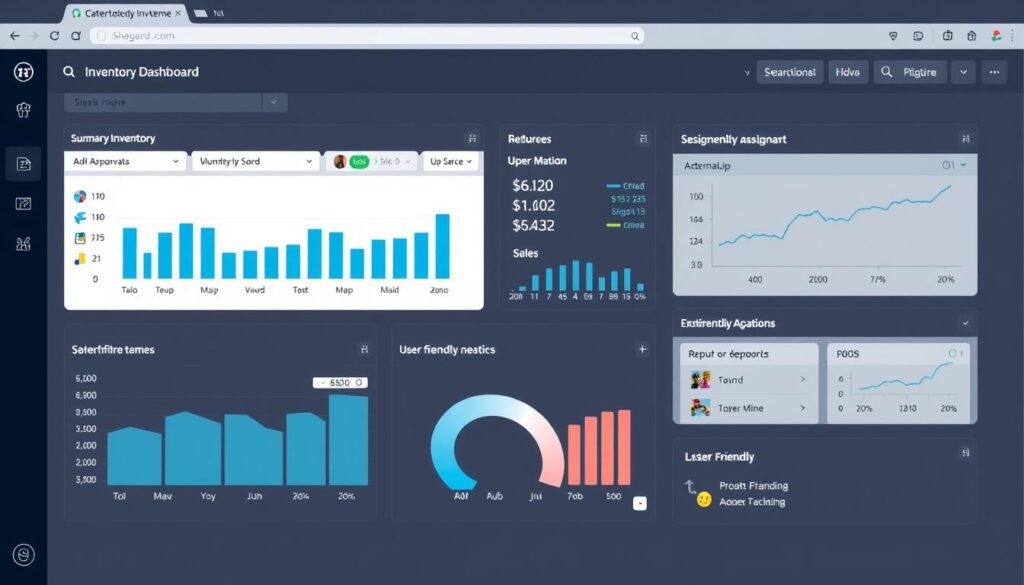
The right inventory management software can make a significant difference in consignment inventory management. It helps track stock in real-time, separates consigned goods from owned inventory, and automates inventory updates, reducing errors and saving time.
Features to Look for in Consignment Software
When selecting consignment inventory management software, look for key features such as:
- Multi-location inventory tracking capabilities
- Automated consumption reporting
- Integrated billing systems
- Reconciliation tools to streamline the consignment process
- Customizable alerts for minimum stock levels and consumption thresholds
Effective consignment software should also offer tracking features that distinguish between owned and consigned stock, ensuring accurate inventory management. For more information on consignment inventory basics, you can visit https://www.inflowinventory.com/blog/consignment-inventory-for-beginners/.
Popular Software Solutions
Some popular management software solutions include Fishbowl, inFlow Inventory, and eTurns TrackStock. These offer specialized consignment tracking features designed to address the unique challenges of consignment inventory management.
By leveraging the right software, businesses can optimize their stock levels, improve financial management, and enhance overall operational efficiency.
Best Practices for Successful Consignment Relationships
To foster successful consignment relationships, it’s crucial to implement effective strategies that benefit both suppliers and retailers. A well-managed consignment inventory system can help customers maintain optimal stock levels while minimizing costs.
Effective Communication Strategies
Establishing clear communication protocols is fundamental to successful consignment relationships. This involves setting clear expectations, providing regular updates, and ensuring that both parties are aligned throughout the partnership. By doing so, suppliers can make sure they’re meeting the needs of their customers.
Inventory Optimization Techniques
Regular inventory optimization is crucial to maintaining optimal stock levels. This can be achieved by using data-driven min/max level adjustments, ensuring that customers have adequate stock without excessive inventory carrying costs. Suppliers can use consignment management software to track usage and automate replenishment processes.
Regular Reconciliation Processes
Implementing consistent reconciliation processes on a scheduled basis helps identify discrepancies early and prevents major accounting disputes between consignment partners. By making sure that both parties are on the same page, suppliers and retailers can maintain a healthy and profitable partnership. This involves regularly reviewing inventory levels, tracking usage, and adjusting stock levels as needed.
Conclusion
As we navigate the complexities of consignment inventory, it’s clear that this business model offers both opportunities and challenges. By understanding the pros and cons of consigning products, businesses can make informed decisions about their inventory management.
The consignment process can be beneficial for both suppliers and customers, providing a way to expand market reach and reduce customer acquisition barriers. However, it’s crucial to consider the potential downsides, such as delayed revenue recognition and increased inventory tracking complexity.
By carefully evaluating the advantages and disadvantages of consignment inventory, businesses can determine the best approach for their specific needs. Whether adopting a hybrid model or traditional sales methods, the key is to find a way to secure long-term business partnerships and drive growth.
FAQ
What is consignment inventory, and how does it work?
What are the benefits of using consignment inventory for component suppliers?
What are the key terms to include in a consignment agreement?
How does consignment inventory affect a company’s financial statements?
What are some common challenges associated with managing consignment inventory?
How can businesses optimize their consignment inventory management?
What are the advantages of using inventory management software for consignment?
How can consignors and consignees ensure successful consignment relationships?
About The Author
