
Delays in PCBA projects are more common than you might think, with nearly 70% of projects experiencing schedule setbacks at some point. When a project is delayed, it can be a significant setback, impacting not just the timeline but also the budget and overall success of the project.
So, what’s the solution? We understand that delays in PCBA development can be frustrating, but they are often manageable with the right approach. By understanding the causes of these delays and implementing effective recovery strategies, you can get your project back on track.
We’ll explore the steps to recover your PCBA project and discuss both immediate actions and long-term strategies to prevent future delays. By transforming a potentially costly delay into an opportunity for process improvement and team growth, you can regain control of your project timeline.
Key Takeaways
- Understand the common causes of delays in PCBA projects.
- Learn effective strategies to recover your project timeline.
- Discover how to transform delays into opportunities for growth.
- Implement long-term solutions to prevent future project delays.
- Regain control of your PCBA project’s budget and timeline.
Understanding the Impact of PCBA Project Delays
The impact of delays on PCBA projects is multifaceted and requires thorough analysis. When a project is delayed, it’s not just the timeline that’s affected; the entire project ecosystem is impacted.
Common Causes of PCBA Project Delays
Delays in PCBA projects often stem from issues such as component shortages, design flaws, or manufacturing defects. Identifying the root cause is crucial for preventing future delays.
Assessing the Extent of Your Project Delay
To understand the delay’s impact, we must assess its extent. This involves evaluating the time lost and the tasks that were affected. Effective assessment helps in creating a realistic recovery plan.
Evaluating the Impact on Budget and Stakeholders
Delays have significant financial implications, including extended labor costs and potential penalties. Moreover, stakeholders’ expectations are affected, making clear communication essential.
As we navigate the complexities of PCBA project delays, it’s crucial to consider the broader impact, including budget implications, team morale, and stakeholder expectations. A thorough analysis will guide the recovery efforts.
- Financial impact assessment should include direct and indirect costs.
- Stakeholder analysis helps prioritize communication efforts.
- Understanding contractual implications is essential for risk management.
Immediate Actions to Take When Your PCBA Project Falls Behind

Addressing PCBA project delays promptly is vital to prevent additional complications. When a project falls behind schedule, it’s crucial to act quickly to minimize the impact on the overall project timeline and budget.
Conducting a Thorough Delay Analysis
A thorough analysis of the delay is essential to understand its root cause. This involves examining the project timeline, identifying bottlenecks, and determining the tasks that are causing the delay. By doing so, we can develop a clear plan to get the project back on track.
Communicating with Stakeholders Effectively
Effective communication with stakeholders is critical during project recovery. We need to keep stakeholders informed about the project’s status, the cause of the delay, and the plan to recover. This helps manage expectations and maintain trust.
Realigning Your Team for Recovery
To recover from a delay, we must realign our team to focus on the most critical tasks. This involves reaffirming roles and responsibilities, making sure everyone understands their part in the recovery process. We can also consider adjusting work hours or implementing flexible schedules to increase productivity. Some strategies include:
- Conducting a team reset meeting to establish new priorities and expectations.
- Identifying and addressing team skill gaps through training or additional resources.
- Implementing daily stand-up meetings to increase accountability.
- Creating focused work environments to minimize distractions.
- Recognizing team efforts to maintain morale and sustain productivity.
Developing a Strategic Recovery Plan
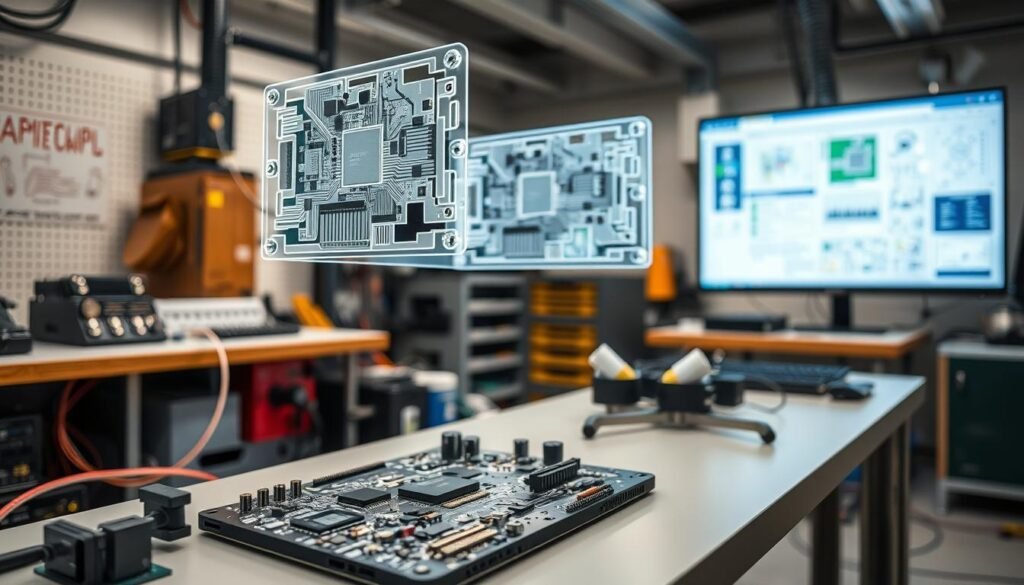
When a PCBA project is delayed, developing a strategic recovery plan is crucial to get back on schedule. This plan involves a thorough analysis of the current project status, identification of critical tasks, and allocation of resources to get the project back on track.
Fast-Tracking Critical Path Tasks
Fast-tracking involves executing tasks in parallel rather than sequentially to save time. By identifying critical path tasks that can be fast-tracked, we can significantly reduce the overall project duration. This approach requires careful planning to avoid potential conflicts or rework.
Resource Optimization Techniques
Optimizing resources is vital to recover lost time. This involves allocating the right resources to the right tasks at the right time. Techniques such as resource leveling and resource allocation can help in maximizing the utilization of available resources, thus speeding up the project completion.
Schedule Compression Strategies
Schedule compression is another effective strategy to recover from delays. This can be achieved through crashing (adding more resources to critical tasks) or fast-tracking (performing tasks in parallel). By distinguishing between these techniques, we can select the most appropriate method for each task, ensuring that the project schedule is compressed without compromising quality.
Key strategies for schedule compression include:
- Evaluating design elements that can be simplified or standardized to save time.
- Implementing rapid prototyping and iterative testing approaches to accelerate PCB development.
- Creating tiered feature implementation plans to prioritize core functionality.
- Establishing clear quality gates to prevent technical debt.
By implementing these strategies, we can effectively manage tasks and get the PCBA project back on schedule.
How to Get Your PCBA Project Back on Schedule After a Delay
Getting a PCBA project back on schedule after a delay involves several key steps. We must first identify the causes of the delay and then implement a recovery plan that addresses these issues.
Prioritizing Essential Design Elements
To recover from a delay, we need to prioritize essential design elements. This involves focusing on critical components and simplifying the design where possible. By streamlining the design process, we can reduce the time required for production and testing.
Addressing Documentation and Data Package Issues
Delays often result from documentation and data package issues. We must ensure that all documentation is accurate and complete, and that data packages are properly prepared. This includes verifying that all necessary files are included and that they meet the supplier’s requirements.
Implementing Accelerated Testing Procedures
To get back on schedule, we can implement accelerated testing procedures. This includes:
- Developing risk-based testing strategies to focus on critical functionality.
- Implementing parallel testing methodologies to reduce testing time.
- Creating standardized test fixtures and procedures to accelerate setup.
| Testing Strategy | Benefits | Implementation Time |
|---|---|---|
| Risk-Based Testing | Focuses on critical functionality | 2 weeks |
| Parallel Testing | Reduces overall testing time | 3 weeks |
| Standardized Test Fixtures | Accelerates setup and ensures consistency | 1 week |
By implementing these strategies, we can significantly reduce the time required for testing and get our PCBA project back on schedule.
Leveraging Technology for Faster Recovery
To mitigate the impact of delays, PCBA projects can benefit significantly from technological interventions. By harnessing the power of advanced tools and data analytics, we can accelerate the recovery process and minimize the effects of delays.
Project Management Tools for Schedule Recovery
Effective project management is crucial for getting PCBA projects back on schedule. We utilize specialized project management tools that enable us to track progress, identify bottlenecks, and allocate resources efficiently. These tools provide real-time insights into project status, facilitating data-driven decisions to drive recovery efforts.
- Implementing performance dashboards with key recovery metrics
- Tracking key performance indicators (KPIs) to measure recovery progress
- Utilizing resource utilization tracking to optimize team capacity
Automation Opportunities in PCBA Development
Automation plays a vital role in accelerating PCBA development during the recovery phase. By automating repetitive tasks and leveraging automation technologies, we can significantly reduce turnaround times and improve overall quality. This enables us to focus on critical aspects of the project that require human expertise.
- Automating testing procedures to expedite validation
- Using automated data analysis to identify patterns and trends
Data-Driven Decision Making for Recovery
Data analytics is at the heart of our recovery strategy, enabling us to make informed decisions and adjust our approach as needed. By analyzing historical data and using predictive analytics, we can forecast potential delays and develop proactive strategies to mitigate their impact.
- Historical data analysis to identify successful recovery patterns
- Predictive analytics to forecast potential secondary delays
- Scenario modeling tools to evaluate alternative recovery approaches
For more information on how we can help you recover from PCBA project delays, visit https://espcba.com/.
Optimizing Supplier and Parts Management
To recover from project delays, it’s essential to focus on optimizing supplier and parts management. Effective management of suppliers and parts can significantly reduce delays and improve the overall quality of your PCBA project.
Selecting Reliable Suppliers for Expedited Service
When dealing with project delays, selecting the right suppliers for expedited services is crucial. We recommend evaluating potential suppliers based on their ability to provide high-quality components quickly. This involves assessing their production capabilities, lead times, and quality control measures. By choosing reliable suppliers, we can ensure that our PCBA project gets back on track with minimal additional delays.
Proactive Parts Procurement Strategies
Proactive parts procurement is vital for minimizing delays in PCBA projects. We should implement strategies such as maintaining a buffer stock of critical components, diversifying our supplier base, and utilizing real-time inventory management systems. These strategies enable us to respond quickly to changes in demand or supply chain disruptions, thus keeping our project on schedule.
Establishing Effective Testing Protocols with Suppliers
Establishing effective testing protocols with our suppliers is critical for ensuring the quality of components and PCBs. To achieve this, we should work closely with our suppliers to develop and implement comprehensive testing procedures. This includes creating basic test firmware images for programmable parts and setting up on-site rework capabilities for defective PCBs. By doing so, we can identify and address quality issues promptly, reducing the likelihood of further project delays.
Some key strategies for optimizing supplier and parts management include:
- Developing standardized incoming quality inspection protocols to ensure component quality.
- Implementing in-process testing at key manufacturing stages to identify issues early.
- Creating clear acceptance criteria for all supplied components to eliminate ambiguity.
- Establishing expedited failure analysis processes with suppliers to accelerate problem resolution.
- Leveraging supplier test capabilities through collaborative test protocol development.
To illustrate the impact of effective supplier and parts management, let’s consider the following comparison:
| Strategy | Benefits | Impact on Project Timeline |
|---|---|---|
| Standardized Quality Inspection | Ensures component quality, reduces rework | Reduces delays by identifying issues early |
| In-Process Testing | Identifies manufacturing issues promptly | Minimizes costly rework and reduces timeline impact |
| Clear Acceptance Criteria | Eliminates ambiguity in quality verification | Speeds up decision-making and reduces delays |
By implementing these strategies and working closely with our suppliers, we can optimize our supplier and parts management processes, ultimately getting our PCBA project back on schedule and ensuring its success.
Conclusion: Turning Delays into Future Advantages
Turning delays into opportunities is key to successful PCBA project management. By implementing a structured recovery plan, we can get projects back on track and deliver successful outcomes. Delays often reveal process weaknesses that can be addressed to strengthen future PCBA development efforts.
Key takeaways from our recovery process include: implementing post-recovery retrospectives, developing standardized recovery playbooks, and building more realistic scheduling models. By incorporating these lessons into future projects, we can create more resilient project teams and improve communication between design, engineering, and manufacturing teams.
FAQ
What are the primary causes of delays in PCBA projects?
How can I assess the extent of the delay in my PCBA project?
What steps can be taken to recover from a PCBA project delay?
How can I communicate effectively with stakeholders during a PCBA project delay?
What role do suppliers play in PCBA project delays, and how can their impact be minimized?
Can technology help in recovering from PCBA project delays?
What are some strategies for optimizing resource allocation during PCBA project recovery?
How can I prioritize tasks effectively to recover from a PCBA project delay?
About The Author
