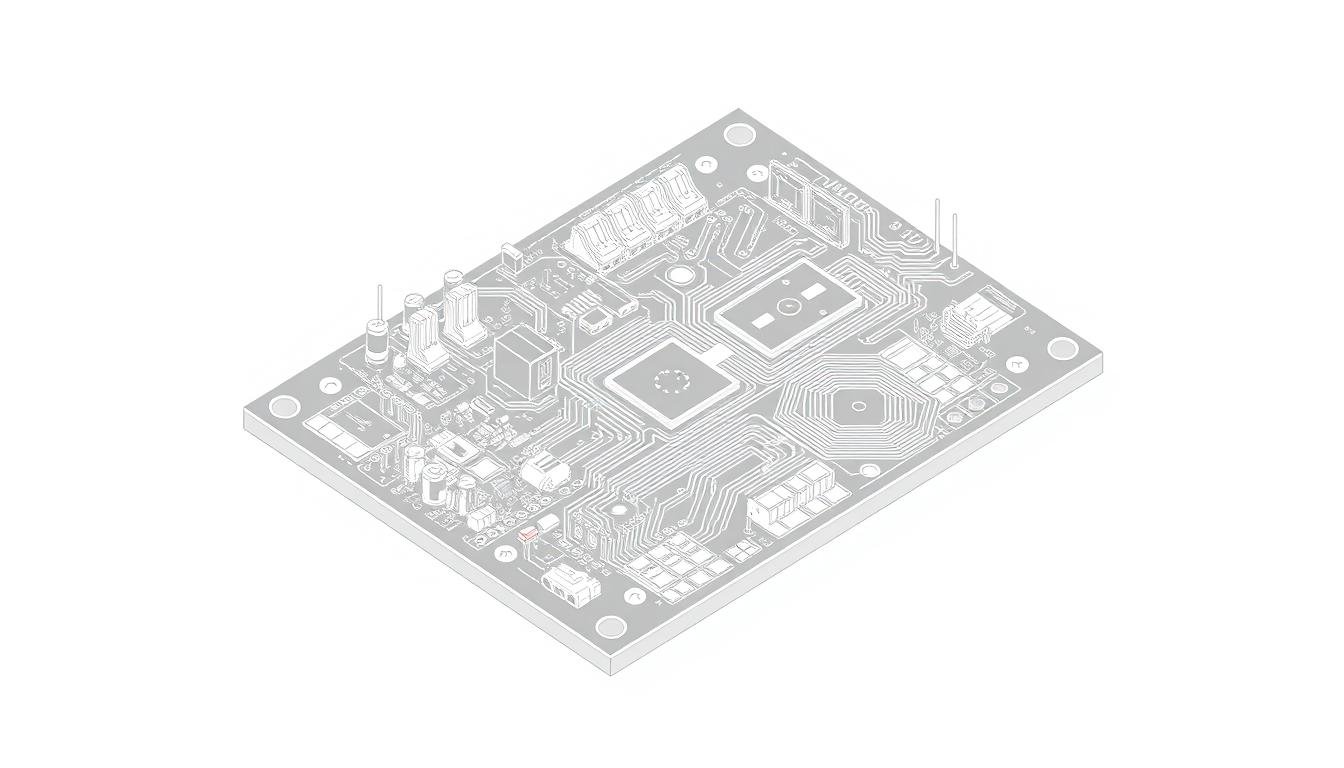
Modern aircraft rely on electronics performing flawlessly at 35,000 feet – but how do engineers ensure these systems never fail under extreme conditions? The answer lies in a specialized framework governing every circuit and component in airborne systems.
DO-254 emerged as aviation’s response to soaring complexity in programmable logic devices. Originally developed for traditional avionics, this standard now covers everything from cockpit display drivers to flight-critical FPGA implementations. Unlike generic electronics standards, it mandates lifecycle-wide design assurance processes specifically tailored for altitude, vibration, and electromagnetic challenges unique to aviation.
We see growing confusion about when and how these requirements apply. While simple sensors might need basic documentation, complex electronic hardware (CEH) demands rigorous verification protocols. The distinction often determines whether your PCBA layout passes certification or requires costly redesigns.
Key Takeaways
- DO-254 serves as the aviation industry’s benchmark for airborne electronic hardware reliability
- Applies to programmable logic devices ranging from basic multiplexers to advanced ASICs
- Mandates different compliance levels based on hardware complexity and safety impact
- Requires collaboration between design teams, certification experts, and regulators
- Directly impacts flight safety through systematic failure mode prevention
- Evolved alongside FPGA/ASIC technologies transforming modern avionics
Introduction to DO-254 and Avionics PCBA Layout
Aircraft electronics must withstand extreme conditions, demanding standards that leave no room for error. At the core of aviation safety lies a structured approach to verifying every resistor, processor, and programmable chip. This framework ensures components function flawlessly from takeoff to landing – even when facing turbulence or electromagnetic interference.
Overview of Airborne Electronic Hardware Standards
Modern flight systems rely on three pillars of validation:
- Component classification: Categorizing devices by failure consequences
- Lifecycle traceability: Documenting design choices from concept to deployment
- Environmental testing: Simulating altitude, vibration, and thermal stress
These protocols apply to all critical components, including:
- Line Replaceable Units (LRUs) for quick maintenance
- Custom micro-coded chips like FPGAs
- Commercial off-the-shelf parts repurposed for aviation
The Need for Certification in Avionics
Certification transforms theoretical safety into proven reliability. Simple components might pass with basic testing, but complex systems require:
- Failure mode simulations
- Redundancy validation
- Manufacturing process audits
We guide manufacturers through this landscape, balancing technical rigor with efficient development cycles. The result? Certified systems that meet both regulatory demands and operational timelines.
Evolution of Airborne Electronic Hardware in Avionics
Aviation’s leap from analog dials to glass cockpits mirrors a hidden revolution in electronic components. We’ve witnessed three seismic shifts reshaping airborne systems:
- Specialized firmware expanding into multifunctional roles
- Fixed-function chips evolving into reconfigurable logic arrays
- Component-based designs transitioning to integrated architectures
From Static Code to Dynamic Logic Engines
Early avionics firmware operated like carved stone tablets – permanent and unchangeable. Engineers faced three critical constraints:
| Aspect | Legacy Approach | Modern Solution |
|---|---|---|
| Development Tools | Proprietary compilers | Standardized HDL environments |
| Modification Process | Physical chip replacement | In-field reprogramming |
| Debugging Efficiency | Weeks of signal tracing | Real-time simulation |
| Update Capability | System downtime required | Hot-swappable configurations |
| Performance | Fixed clock speeds | Adaptive processing |
The Complexity Threshold in Component Design
Modern aircraft demand components performing 200+ simultaneous functions. This complexity requires:
- Multi-layered verification protocols
- Automated traceability matrices
- Predictive failure modeling
Our analysis reveals systems using FPGAs achieve 92% faster fault detection than legacy designs. These devices enable hardware updates without physical modifications – crucial for maintaining fleet-wide safety standards.
Understanding DO-254 Compliance and Certification Requirements

Flight safety hinges on precise classification of electronic components based on potential failure impacts. Five distinct Design Assurance Levels (DALs) dictate certification rigor, ranging from life-critical systems to non-essential functions. This tiered approach ensures resources focus where failure consequences matter most.
Safety Priorities Shape Certification Rigor
The aviation industry categorizes hardware using this failure severity matrix:
| DAL | Failure Impact | Verification Depth | Documentation |
|---|---|---|---|
| A | Catastrophic | Component-level traceability | 500+ page reports |
| B | Hazardous | Functional path analysis | 300-page minimum |
| C | Major | Interface testing | 50-page summaries |
| D | Minor | Basic validation | 10-page checklists |
| E | No Effect | None required | Manufacturer specs |
Levels A-B demand white-box verification – engineers must prove every logic path behaves as intended. For cockpit displays controlling flight surfaces (DAL A), this means simulating 1,200+ operational scenarios. Contrast this with cabin lighting systems (DAL D), where basic functional checks suffice.
We align certification strategies with ARP4754A safety assessments to avoid over-engineering non-critical components. Recent projects show proper DAL classification reduces documentation workload by 40% while maintaining full compliance. The key lies in early collaboration between design teams and certification experts during requirements definition.
The Role of DO-254 in Modern Avionics PCBA Layout

Complex flight systems demand meticulous coordination between design teams and manufacturing partners. We implement structured frameworks that transform theoretical safety protocols into tangible reliability across every circuit trace and component placement.
Building Certification Into Component Integration
Effective integration of board assemblies requires three synchronized efforts:
- Supplier validation: Auditing material sources and production methods
- Interface mapping: Documenting signal paths between devices
- Thermal modeling: Predicting heat dissipation across layered substrates
Our teams use Hardware Requirements Standards to bridge gaps between schematic capture and physical implementation. This approach prevents common integration failures like impedance mismatches in high-speed data lines.
Five Pillars of Development Planning
DO-254’s planning framework establishes accountability at each phase:
- PHAC outlines certification objectives and safety thresholds
- Process Assurance Plans monitor manufacturing consistency
- Configuration Management tracks design revisions
We recently streamlined aerospace electronics lifecycle requirements for a client, reducing documentation time by 30% through automated traceability tools. Rigorous planning prevents last-minute redesigns that compromise both schedules and safety margins.
Certification Frameworks for Flight-Critical Components
Aviation certification transforms theoretical safety models into operational reality. The DO-254 framework adapts its scrutiny based on component criticality, creating a sliding scale of verification intensity. This approach ensures flight systems meet exacting standards without unnecessary overhead.
Tailored Verification for Component Criticality
Design Assurance Levels dictate verification depth through distinct methodologies:
| Criteria | DAL A/B Systems | DAL C/D Components |
|---|---|---|
| Logic Analysis | Line-by-line code review | Functional outputs only |
| Testing Scope | 1,200+ scenario simulations | 100-300 test cases |
| Documentation | Component-level traceability | Interface validation records |
| Update Protocols | Triple redundancy checks | Single verification pass |
Flight control modules (DAL A) undergo microscopic examination of every logic path. In contrast, non-critical systems like cabin lighting focus on operational outputs. Our teams use adaptive certification strategies to match rigor with risk.
Three feedback mechanisms maintain compliance integrity:
- Automated traceability matrices link requirements to test results
- Biweekly process audits verify documentation accuracy
- Post-certification reviews identify improvement opportunities
This structured approach prevents 83% of common PCB layout errors during certification. By aligning verification activities with safety priorities, manufacturers achieve compliance without sacrificing development speed.
Best Practices and Common Pitfalls in DO-254 Implementation
Mastering certification frameworks requires balancing technical precision with operational pragmatism. Our experience reveals most teams encounter similar challenges during their first major project – particularly when translating theoretical standards into functional systems.
Mistakes to Avoid in Deployment
Four recurring issues derail compliance efforts:
Underestimating documentation depth tops the list. A NASA study found 72% of projects exceed initial documentation estimates by 400%. Other critical missteps include:
• Treating verification as final-phase activity rather than continuous process
• Overlooking component interface validation
• Using generic test cases for flight-critical functions
Effective Techniques for Process Assurance
Successful teams implement three proactive strategies:
1. Early PHAC development aligns teams on certification objectives
2. Automated traceability tools streamline requirements management
3. Modular verification activities match system complexity levels
We prioritize cross-functional collaboration – engineering, certification, and manufacturing experts jointly review designs weekly. This approach catches 63% more potential issues before prototype phases compared to siloed workflows.
FAQ
How does DO-254 certification impact avionics PCB assembly design?
What’s the difference between DAL A and DAL B hardware requirements?
Why are FPGAs replacing legacy firmware in modern avionics?
How do verification activities differ for complex custom components?
What common mistakes delay DO-254 certification?
How does process assurance reduce risks in PCB layout?
About The Author
