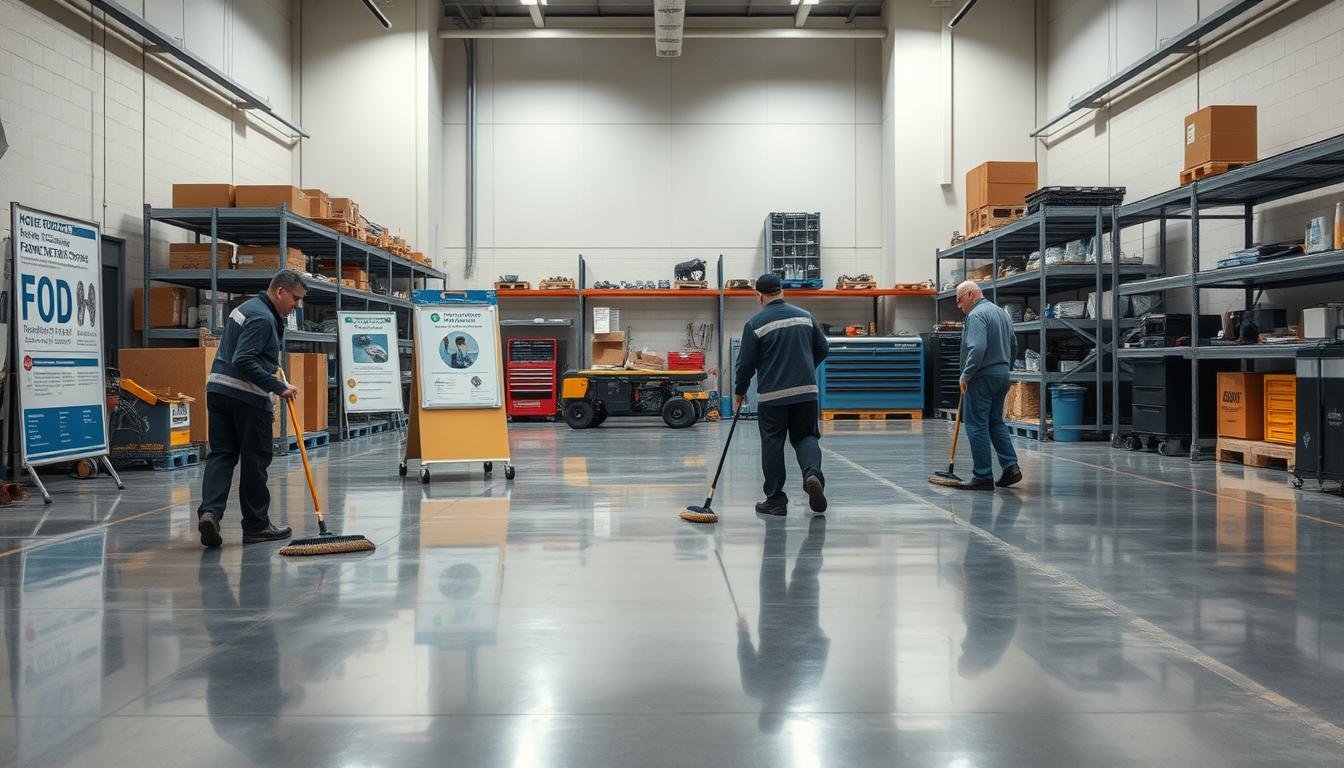
Every day, unseen hazards threaten operations in aviation and manufacturing. These dangers – tiny screws, metal fragments, or even stray tools – cost businesses $4 billion annually according to Boeing studies. Why do organizations still struggle with such preventable losses?
Foreign object debris creates ripple effects beyond immediate repair bills. Delayed projects, compromised product quality, and safety incidents often follow. The real challenge lies not in debris removal but in building systems that stop contamination at its source.
Effective strategies demand more than checklists. They require cultural shifts where every team member acts as a first-line defender against contamination. From factory floors to executive offices, accountability structures must align with practical prevention measures.
Modern solutions blend technology with human expertise. Advanced detection systems work alongside trained eyes, while data analytics identify recurring risk patterns. This dual approach transforms reactive cleanups into proactive safeguards.
Key Takeaways
- Annual FOD-related damages exceed $4 billion across industries
- Prevention requires systemic changes, not just debris removal
- Successful programs integrate technology with workforce engagement
- Accountability structures must span all organizational levels
- Data analysis helps predict and prevent contamination sources
- Cultural commitment outweighs temporary compliance efforts
Introduction to FOD Prevention
Airports and manufacturing facilities face silent saboteurs daily – from stray bolts to microscopic dust. These hazards cost industries billions yearly, with aviation bearing 60% of total damages. The real threat emerges when standard cleanup protocols fail to address root causes.
Overview of FOD Challenges
Jet engines magnify risks by transforming debris into dangerous projectiles. A 2023 FAA report showed 38% of runway incidents involved materials smaller than a dime. Seasonal patterns compound these threats:
| Season | Primary Risks | Impact Area |
|---|---|---|
| Winter | Ice fragments, de-icing chemicals | Engine intakes |
| Spring | Construction debris, loose gravel | Landing gear |
| Summer | Sand, wildlife activity | Electronic systems |
| Fall | Leaf accumulation, tool migration | Hydraulic systems |
Manufacturing environments face parallel issues. A single fiber strand can disable circuit boards during assembly. Contamination thresholds in electronics production measure in microns – 50 times smaller than human hair.
Importance of Safety and Quality
Aviation and electronics share critical precision requirements. While aircraft components withstand extreme forces, PCBA manufacturing demands particle-free zones. Both sectors implement three core safeguards:
- Real-time debris monitoring systems
- Employee certification programs
- Environmental control protocols
Recent case studies reveal a 72% reduction in quality issues when combining visual inspections with magnetic filtration. The key lies in adapting strategies to specific operational environments rather than using generic solutions.
Understanding FOD and Its Impact

In industrial settings, misplaced items create hidden dangers that escalate into multimillion-dollar crises. A single misplaced tool or loose component can trigger chain reactions across operations. Consider these findings from military aviation: 800 contamination events caused $240 million in damages within a decade.
Defining Operational Contaminants
Operational contaminants refer to materials existing outside designated areas. These range from metal shavings in engine bays to biological intruders like rodents in control panels. A 2004 Defense Department audit revealed:
- 62% of incidents involved tools left in machinery
- 28% stemmed from environmental debris ingress
- 10% resulted from unexpected biological interference
Cross-Industry Threat Analysis
Aviation faces unique risks where a single bolt can compromise flight systems. Contrast this with electronics manufacturing, where microscopic particles disable circuit boards. Financial repercussions extend far beyond repairs:
“The true cost includes production halts, warranty claims, and eroded client trust.”
High-energy environments magnify risks exponentially. Hydraulic systems under pressure turn plastic fragments into projectiles, while live electrical panels transform dust into fire hazards. Proactive identification remains critical across all sectors.
Building Contamination Defense Through Structured Systems
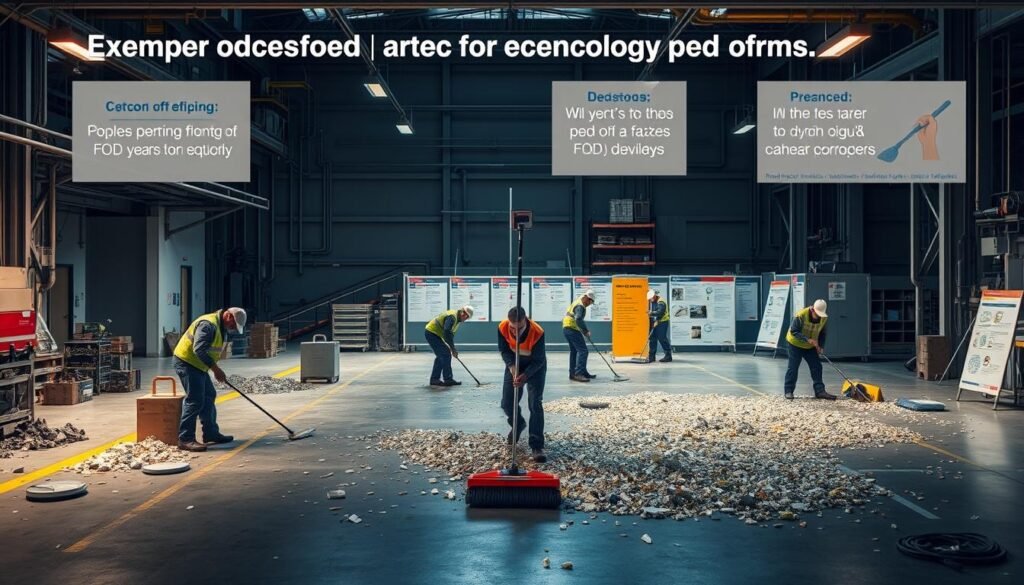
Robust contamination control systems form the backbone of operational integrity in high-risk environments. Three aerospace manufacturers reduced repair costs by 68% within 18 months through standardized contamination management frameworks.
Operational Procedures and Best Practices
Effective contamination management requires layered safeguards. Daily tool audits at automotive plants decreased misplaced equipment incidents by 83% last year. Cross-functional teams now use this proven method:
| Program Element | Critical Function | Responsible Role |
|---|---|---|
| Shift-Change Inventory | Tool Accountability | Area Supervisor |
| Visitor Escorting | Access Control | Security Lead |
| Debris Reporting | Incident Prevention | Quality Analyst |
| Surface Inspections | Contamination Detection | Line Technician |
Digital tracking systems complement physical checks. Barcode scanners verify 100% tool returns at shift ends. Real-time alerts notify managers about missing items within minutes.
Designated contamination specialists oversee critical zones. Their authority spans from halting operations to approving restart protocols. This structure prevents oversight gaps during personnel changes.
Integration with existing quality systems creates dual benefits. Automated logs feed into predictive analytics, while staff certifications ensure consistent protocol execution. The result: sustainable contamination reduction without productivity loss.
Key Components of an Effective FOD Prevention Strategy
Operational excellence hinges on systems that empower people as much as they control environments. A layered approach combines workforce education with physical safeguards, creating barriers against debris at multiple checkpoints.
Training, Awareness, and Signage
Comprehensive learning initiatives form the foundation of contamination control. Orientation programs teach debris identification, while quarterly refreshers update teams on emerging risks. Real incident simulations in training modules improve retention by 41% compared to textbook methods.
Visual communication systems use three distinct zones:
| Zone Type | Signage Features | Required Actions |
|---|---|---|
| Basic | Yellow floor markers | Daily visual scans |
| Moderate | Orange barriers | Tool audits + debris logs |
| High-Impact | Red警戒 tape | Pre-shift equipment checks |
Wall-mounted diagrams reinforce protocol memory, while effective contamination control strategies integrate these visual cues with hands-on practice sessions.
Inspection Procedures and Maintenance Protocols
Dual-layer verification systems catch 93% of potential hazards before escalation. Scheduled audits align with production cycles, while real-time monitoring uses:
- Magnetic sweepers in assembly areas
- UV detection for non-metallic particles
- Checklist apps with photo verification
Maintenance teams now complete debris risk assessments during routine servicing. This integration reduces unexpected downtime by 28% through early detection of wear-related contamination sources.
FOD Prevention in Aviation and Aerospace
Three critical zones demand constant vigilance in aviation safety: runways, taxiways, and maintenance areas. Each presents unique contamination risks requiring tailored solutions. Advanced detection technologies now complement traditional methods, creating multi-layered defense systems.
Runway, Taxiway, and Apron Concerns
Runway environments face extreme hazards during takeoff and landing. Objects as small as a coin can cause catastrophic damage when struck by aircraft traveling at 150+ mph. Taxiway operations introduce secondary risks – jet exhaust can propel debris 300 feet onto active runways within seconds.
Maintenance zones require rigorous tool control protocols. A 2024 industry study revealed 57% of aviation contamination incidents originate from misplaced equipment during servicing. Strict inventory systems and magnetic sweeps prevent abandoned tools from becoming flight hazards.
Utilizing FOD Detection and Barrier Systems
Modern airports deploy hybrid monitoring solutions combining radar with optical sensors. Dubai International Airport’s system detects 2mm objects across 4,000-meter runways in sandstorms. These technologies provide real-time alerts to ground crews, slashing response times by 78% compared to manual inspections.
“The 2000 Concorde tragedy demonstrated how runway debris can have catastrophic consequences. This event reshaped global aviation safety standards.”
Barrier systems now integrate with airport operations software. Vancouver’s YVR uses automated bollards that seal contaminated areas within 90 seconds. Flight crews receive instant notifications through cockpit displays, enabling collaborative hazard management with ground teams.
Implementing 5S and Clean-As-You-Go Methodologies
Systematic organization transforms cluttered workspaces into contamination-resistant environments. Leading manufacturers reduce debris incidents by 54% through structured approaches combining immediate action with cultural discipline.
Decluttering with 5S
The 5S framework creates self-regulating zones where tools and materials have designated homes. Implementation follows five strategic phases:
- Sort: Remove non-essential items from production areas
- Set: Label storage locations for critical equipment
- Shine: Conduct real-time cleaning during tasks
- Standardize: Develop visual management systems
- Sustain: Implement daily accountability checks
Electronics assemblers using this method report 37% faster tool retrieval times and 29% fewer misplaced components. Color-coded shadow boards and floor markings help staff verify proper equipment placement instantly.
Routine Housekeeping Procedures
Continuous cleaning protocols integrate debris removal into standard workflows. A tiered approach matches rigor to risk levels:
| Zone Type | Cleaning Frequency | Verification Method |
|---|---|---|
| Assembly | After each shift | UV light inspection |
| Storage | Weekly | Checklist sign-off |
| High-Risk | Real-time | Supervisor approval |
Regular training transforms housekeeping from chore to critical safety practice. Teams using best practices for debris prevention achieve 89% faster hazard response times through ingrained environmental awareness.
Success metrics track both cleanliness and behavioral changes. Monthly audits assess workspace organization while surveying staff adherence to visual management standards. This dual focus ensures sustained progress against contamination risks.
Overcoming Challenges in FOD Control
Operational environments constantly evolve, presenting new contamination risks that demand adaptive solutions. Success requires balancing proven methods with flexible responses to emerging threats. Our teams address these dynamic conditions through three core principles: anticipation, adaptation, and alignment.
Addressing Unforeseen Operational Issues
Unexpected situations – from sudden weather changes to equipment malfunctions – account for 34% of contamination events. A Midwest aerospace facility reduced such incidents by 41% using predictive analytics. Key strategies include:
Real-time monitoring systems detect loose hardware before migration occurs. Vibration sensors alert crews about potential tool displacement during high-activity periods. Cross-functional task forces review near-miss reports monthly to update response protocols.
Enhancing Communication and Accountability
Clear reporting channels prevent minor issues from escalating. A recent automotive case study showed teams using comprehensive contamination control strategies reduced miscommunication-related incidents by 63%. Digital logs now track:
• Tool transfers between personnel
• Environmental condition changes
• Maintenance schedule adherence
Quarterly audits verify protocol compliance across all levels. This approach transforms individual responsibility into collective operational integrity, creating sustainable contamination defense systems.
FAQ
What triggers immediate FOD inspections during aircraft operations?
How do aerospace manufacturers prevent loose hardware in assembly areas?
What training do airport ground crews receive for debris control?
How does 5S methodology improve foreign object control in PCBA facilities?
What technologies detect debris in restricted airport areas?
How do maintenance teams prevent tool accountability issues?
About The Author
