Establishing a successful long-term partnership with a PCBA manufacturer requires more than just a handshake; it demands a comprehensive agreement that outlines clear expectations and guidelines from the outset.
We explore how a well-structured contract can protect your intellectual property, ensure quality standards, and create a framework for resolving potential disputes before they arise, ultimately leading to a healthier business relationship.
By understanding the critical components of an effective agreement and implementing savvy negotiations, you can secure terms that balance protection and partnership, driving more successful PCBA manufacturing collaborations.
Key Takeaways
- Crafting a comprehensive Master Supply Agreement is crucial for successful PCBA manufacturing partnerships.
- A well-structured agreement protects intellectual property and ensures quality standards.
- Effective negotiations are key to securing favorable terms.
- A clear contract framework helps resolve potential disputes before they arise.
- Balancing protection and partnership is essential for successful collaborations.
Understanding Master Supply Agreements in the PCBA Industry
Master Supply Agreements are foundational to successful PCBA partnerships, providing a framework that outlines the responsibilities and expectations of all parties involved. In the complex world of electronics manufacturing, such agreements are crucial for establishing a strong business relationship.
What is a Master Supply Agreement?
A Master Supply Agreement (MSA) is a comprehensive contract that defines the terms and conditions between two parties in a PCBA partnership. It lays out the nitty-gritty legalese considerations that are typically of interest to transactional lawyers, while subsidiary arrangements are more relevant to operations teams. An MSA ensures that both parties are on the same page regarding their obligations, expectations, and recourse options.
Having a proper MSA in place can significantly reduce the time spent on contract negotiations for each new project, allowing teams to focus on technical specifications and production requirements. This not only streamlines the process but also fosters a more efficient and productive partnership.
Why MSAs Matter for PCBA Partnerships
MSAs are particularly valuable in the PCBA industry due to the technical nature of the manufacturing process, which involves specialized components, stringent quality requirements, and sensitive intellectual property considerations. By clearly defining the terms and conditions of the partnership, MSAs provide essential protection for both parties’ interests.
| Benefits of MSAs | Description |
|---|---|
| Clear Responsibilities | MSAs outline the responsibilities of each party, reducing misunderstandings and miscommunications. |
| Consistent Pricing Models | MSAs establish consistent pricing models, lead times, and quality standards, creating predictability in budgeting and project planning. |
| Resilience During Disruptions | PCBA partnerships governed by well-crafted MSAs tend to be more resilient during supply chain disruptions. |
By establishing a robust MSA, businesses can ensure a strong foundation for their PCBA partnerships, ultimately leading to more successful collaborations and reduced risks.
The Master Supply Agreement: Securing Favorable Terms with Your PCBA Partner
A well-negotiated Master Supply Agreement sets the foundation for a productive and profitable relationship with your PCBA partner. This agreement is more than just a legal contract; it’s a framework that guides your collaboration and ensures mutual understanding.
Creating a Framework for Long-term Collaboration
To create an effective MSA, it’s essential to focus on building a long-term collaboration. This involves understanding your business needs and those of your PCBA manufacturer. By doing so, you can establish a process that works for both parties, fostering a partnership that is beneficial and sustainable.
Balancing Protection and Partnership
The negotiation process for an MSA requires a strategic approach, emphasizing open communication and mutual respect. It’s crucial to identify your priorities and non-negotiables to strengthen your position during negotiations. Effective MSAs strike a balance between protecting your company’s interests and fostering a collaborative relationship with your PCBA manufacturer.
- The most effective MSAs balance protecting your company’s interests with fostering a collaborative partnership.
- Approach MSA development as a collaborative process rather than an adversarial negotiation.
- Transparency about your business requirements and quality expectations builds trust.
By recognizing that your PCBA partner is an extension of your production capabilities, you can structure your MSA to reflect this integrated relationship, rather than a purely transactional one. This approach helps in securing favorable terms and promotes a successful partnership.
Key Components of an Effective PCBA Master Supply Agreement
A well-structured PCBA Master Supply Agreement comprises several vital components that foster a successful collaboration. These components work together to create a framework that supports the partnership between the PCBA manufacturer and the client.
Definitions and Interpretations
Clear definitions and interpretations are crucial in a PCBA Master Supply Agreement. This section should define key terms used throughout the agreement to avoid misunderstandings. Precise language helps to ensure that both parties are on the same page, reducing the risk of disputes.
Scope of Work and Delivery Terms
The scope of work and delivery terms outline the responsibilities of both parties and the expectations for the delivery of goods or services. This section should include details on production schedules, quality standards, and shipping terms. A well-defined scope of work helps to prevent misunderstandings and ensures that both parties are aware of their obligations.
Payment Terms and Conditions
Comprehensive payment terms are essential in a PCBA Master Supply Agreement. This includes specifying pricing structures, payment schedules, accepted payment methods, and currencies to prevent financial disputes. For instance, it is crucial to clearly define “payment terms.” This means stating the payment schedule, the payment methods accepted, and the penalties for late payments. Doing this helps to prevent money issues later.
- Specify pricing structures, payment schedules, accepted payment methods, and currencies to prevent financial disputes.
- Include clear provisions for handling price adjustments related to component cost fluctuations.
- Address payment timing for tooling, non-recurring engineering costs, and prototype runs separately from production pricing.
- Consider including volume-based pricing tiers that reward increased production quantities with more favorable rates.
- Cover handling of excess and obsolete inventory, particularly for custom or specialized components.
By including these key components, a PCBA Master Supply Agreement can provide a solid foundation for a successful partnership, ensuring that both parties are aligned and working towards the same goals.
Essential Clauses to Protect Your Interests
When drafting a Master Supply Agreement (MSA) with your PCBA partner, it’s crucial to include essential clauses that protect your interests. These clauses form the backbone of a robust agreement, ensuring that both parties are protected and aware of their responsibilities.
Intellectual Property Rights
Protecting intellectual property is vital in the electronics manufacturing industry. Your MSA should clearly outline the ownership and usage rights for intellectual property, including designs, patents, and trademarks. This clause ensures that your proprietary information remains secure and is not misused by your PCBA partner.
Confidentiality Provisions
Confidentiality provisions are another critical component of an effective MSA. These provisions legally bind your PCBA partner to protect your confidential information, including trade secrets and sensitive business data. A well-crafted confidentiality clause helps prevent data breaches and maintains the trust between your company and your manufacturing partner.
Limitation of Liability
The limitation of liability clause is a crucial element that defines the extent of each party’s financial responsibility in case of breaches, unforeseen events, or other issues. As stated, “nothing in this Agreement shall create, or be construed as creating, a joint venture between the parties.” This clause helps reduce risk and protect against financial loss.
Key aspects to consider when structuring limitation of liability clauses include:
- Establishing boundaries on financial exposure for both parties in the event of manufacturing defects or delivery delays.
- Carefully limiting your PCBA partner’s liability to reasonable levels while maintaining their accountability for quality and performance.
- Distinguishing between different types of damages, typically capping indirect or consequential damages.
- Considering exceptions to liability limitations for high-risk scenarios such as intellectual property infringement or gross negligence.
- Balancing risk allocation with the practical reality that excessive liability exposure may result in higher manufacturing costs.
By incorporating these essential clauses into your MSA, you can ensure a more secure and equitable partnership with your PCBA manufacturer.
Negotiating Favorable Terms with Your PCBA Manufacturer

To secure favorable terms with your PCBA partner, it’s essential to approach negotiations with a clear understanding of your goals and their capabilities. Being open and acting in good faith are key for a successful negotiation, helping to build trust and set a positive tone for the future of your business relationship.
Preparation Strategies
Preparation is crucial for effective negotiation. We recommend identifying areas where your business goals align with the manufacturer’s capabilities and interests, creating opportunities for mutually beneficial terms. Consider offering trade-offs that provide significant value to your company while requiring minimal concessions from the PCBA partner.
Effective Communication Techniques
Clear and respectful communication is vital during negotiations. Approaching negotiations as collaborative problem-solving sessions rather than adversarial proceedings helps establish the partnership mindset essential for long-term manufacturing relationships. This involves actively listening to the manufacturer’s concerns and being transparent about your needs.
Finding Win-Win Solutions
Volume guarantees, forecast sharing, and component pre-purchasing arrangements can create win-win scenarios that improve the manufacturer’s operations while securing better terms for your business. By focusing on solutions that benefit both parties, you can foster a strong and sustainable partnership.
How MSAs Differ from Other Contract Types in Electronics Manufacturing
When it comes to electronics manufacturing, MSAs stand out from other contractual documents due to their comprehensive nature. A Master Supply Agreement (MSA) serves as the foundational contract that governs the relationship between a PCBA manufacturer and its client.
MSA vs. Purchase Orders
Purchase Orders (POs) are transactional documents that specify the goods or services to be delivered. Unlike MSAs, POs are typically used for one-time purchases or specific quantities of products. While an MSA provides the overarching framework for the partnership, POs are used to execute specific transactions under that framework.
Key differences between MSAs and POs include:
- The scope of the agreement: MSAs cover the general terms and conditions, while POs are limited to specific transactions.
- The level of detail: MSAs provide a broad framework, whereas POs contain detailed information about the products or services being ordered.
MSA vs. Statement of Work
A Statement of Work (SOW) is a document that outlines the specific tasks, deliverables, timelines, and performance standards for a particular project. It references the MSA for the general terms and conditions. While SOWs detail specific project requirements, the MSA establishes the legal framework that governs all SOWs.
We recommend using SOWs in conjunction with your MSA to document project-specific requirements like design specifications, testing protocols, and acceptance criteria without renegotiating fundamental legal terms.
| Contract Type | Purpose | Scope |
|---|---|---|
| MSA | Establishes the general terms and conditions for the partnership | Governs all transactions between the parties |
| Purchase Order | Specifies the goods or services to be delivered for a specific transaction | Limited to the specific transaction |
| Statement of Work | Outlines the specific tasks, deliverables, timelines, and performance standards for a project | References the MSA for general terms and conditions |
Common Risks and Challenges in PCBA Master Agreements
When drafting a Master Supply Agreement (MSA) for PCBA partnerships, it’s crucial to anticipate and address potential risks. By understanding these risks, companies can better protect their interests and minimize potential exposure during negotiations.
Identifying Potential Pitfalls
Effective risk mitigation begins with comprehensive due diligence on your manufacturing partner’s capabilities, financial stability, and compliance history. Regular performance reviews and quality audits should be implemented as contractual requirements to identify and address issues before they escalate into disputes.
Strategies for Risk Mitigation
To manage risks, consider the following strategies:
- Include detailed escalation procedures with defined response times to ensure problems receive appropriate attention.
- Establish clear change management processes with documentation requirements to prevent scope creep.
- Implement phased manufacturing commitments to allow for evaluation periods before scaling to full production, reducing exposure to potential quality or performance issues.
By incorporating thesesolutionsinto your MSA, you can mitigate potential risks and foster a more collaborative and secure partnership.
Case Study: Successful MSA Implementation with a PCBA Partner
A leading medical device manufacturer recently achieved significant improvements in their PCBA manufacturing process by implementing a well-structured Master Supply Agreement (MSA).
Background and Challenges
The company faced challenges in managing their PCBA manufacturing operations, including quality issues and contractual disputes. To address these challenges, they developed a comprehensive MSA template tailored to their specific requirements and regulatory environment.
- Working with legal and procurement specialists, the company created an MSA framework that established clear performance metrics, quality standards, and communication protocols.
- The MSA template was designed to streamline the transition from design to manufacturing, with clearly defined processes and responsibilities.
Solutions and Outcomes
The implementation of the new MSA framework yielded significant benefits, including:
- A 40% reduction in quality issues within six months.
- A 25% improvement in on-time delivery performance.
- A significant reduction in procurement team time spent resolving contractual disputes.
The successful implementation of the MSA was attributed to the collaboration between internal teams and supplier personnel, who underwent training sessions to ensure a consistent understanding of the agreement terms. The standardized MSA framework also accelerated new product introductions, resulting in improved overall solutions for the company.
Automating Your MSA Process for Efficiency
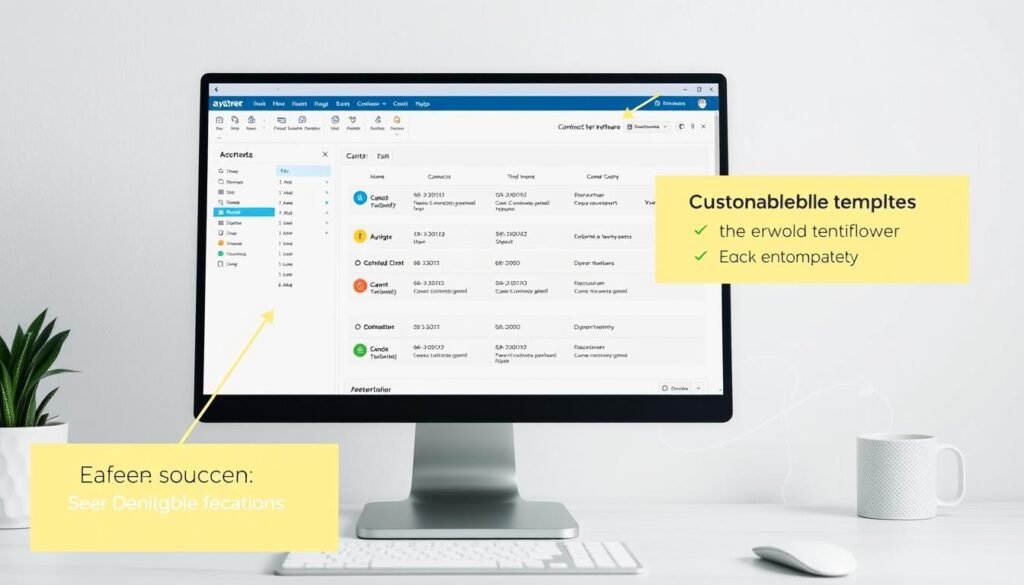
Automating the Master Supply Agreement (MSA) process is crucial for enhancing operational efficiency in the electronics manufacturing industry. By leveraging contract management software, companies can streamline their MSA processes, reducing the time spent on drafting, reviewing, and negotiating contracts.
Benefits of Contract Management Systems
Contract management systems offer numerous benefits, including standardized templates that incorporate approved language while allowing for customization of key variables. This not only accelerates the contract process but also ensures consistency across all agreements.
Implementation Best Practices
Successful implementation of MSA automation involves several best practices:
– Developing standardized templates for MSAs
– Adopting a phased approach, starting with internal review and approval processes
– Ensuring teams from legal, procurement, engineering, and operations are involved in the implementation process
– Providing comprehensive training for both internal users and PCBA partners
– Regularly reviewing and refining automated workflows based on user feedback and performance metrics
By automating the MSA process, electronics manufacturers can significantly improve their operational efficiency, reduce the complexity associated with contracts, and enhance collaboration with their PCBA partners.
Maintaining and Updating Your PCBA Master Supply Agreement
To ensure the longevity and effectiveness of your PCBA partnership, it’s crucial to maintain and update your Master Supply Agreement (MSA) regularly. An MSA serves as a “parent contract” that outlines the broader terms and conditions of your long-term business agreement, under which you can execute “child contracts” for specific transactions.
Regular Review Processes
Establishing a regular review process for your MSA is essential for ensuring that it remains relevant and effective over times. We recommend including provisions that establish clear processes for amendments and updates, allowing the agreement to evolve without complete renegotiation. Consider implementing a tiered approach that distinguishes between minor administrative updates and substantial changes requiring more comprehensive review and approval.
Adapting to Changing Business Needs
As your electronics manufacturing business evolves, your PCBA Master Supply Agreement should adapt to accommodate changing production volumes, new product lines, and shifting market conditions. Regular business reviews with your PCBA partner provide opportunities to discuss changing needs and align on necessary adjustments to the agreement terms. Maintaining flexibility in your MSA structure allows for adaptation to technological advancements, component availability changes, and evolving industry standards without disrupting your manufacturing relationship.
| Best Practices | Benefits |
|---|---|
| Regular Review Processes | Ensures the MSA remains relevant and effective |
| Tiered Approach for Updates | Streamlines the update process, reducing administrative burden |
| Flexibility in MSA Structure | Allows for adaptation to changing business needs and industry standards |
Conclusion: Maximizing the Value of Your PCBA Partnership Through Strategic MSAs
In conclusion, the significance of a Master Supply Agreement in PCBA manufacturing cannot be overstated, as it lays the groundwork for long-term collaboration and mutual benefit. A well-crafted MSA serves as the foundation for successful partnerships, balancing the protection of your interests with the flexibility needed for productive collaboration.
Key Takeaways:
- A comprehensive MSA is crucial for fewer disputes, consistent quality, and greater operational efficiency in PCBA supply chains.
- The strategic approach to MSAs involves understanding key components, negotiating favorable terms, implementing automation, and maintaining regular reviews.
- Your MSA should evolve with your business, reflecting changing requirements, market conditions, and industry best practices.
- Approaching MSAs as strategic business tools rather than mere legal formalities can create a framework that supports innovation, quality, and growth.
By investing time and resources in developing a thoughtful MSA, you can create clarity, consistency, and mutual understanding that benefits both parties throughout the lifecycle of your PCBA partnership. We encourage you to review your existing agreements with these principles in mind, identifying opportunities to strengthen your contractual framework and enhance your PCBA manufacturing relationships.
In essence, a strategic MSA is pivotal in maximizing the value of your PCBA partnerships, fostering a collaborative environment that drives business success.
FAQ
What is the primary purpose of a Master Supply Agreement in the PCBA industry?
How does a Master Supply Agreement differ from a standard purchase order?
What are the key components of an effective PCBA Master Supply Agreement?
How can parties negotiate favorable terms in a Master Supply Agreement?
What are some common risks and challenges associated with PCBA Master Agreements?
How can companies mitigate risks in a Master Supply Agreement?
What is the importance of regularly reviewing and updating a PCBA Master Supply Agreement?
How can contract management systems automate the MSA process?
About The Author
