
As we navigate the complexities of modern electronics manufacturing in 2025, a critical question arises: How can engineers, startups, and manufacturers effectively manage PCB expenses amidst rising material costs and supply chain uncertainties?
Managing PCB costs is crucial for the production of custom PCBs that power everything from IoT devices to 5G infrastructure. With regional economic factors, trade policies, and manufacturing infrastructure contributing to significant cost variations, understanding these differences is key to optimizing your PCBA sourcing strategy.
We will explore the total cost structure of PCB assembly across China, the USA, and Europe, including material costs, labor expenses, and overhead. By examining real-world cost comparisons for different production volumes, we’ll help you make informed decisions about where to produce your electronics.
Key Takeaways
- Comparative analysis of PCBA manufacturing costs across China, USA, and Europe.
- Breakdown of the total cost structure, including materials, labor, and overhead.
- Regional economic factors influencing cost variations.
- Real-world cost comparisons for prototyping and high-volume manufacturing.
- Guidance on optimizing PCBA sourcing strategy.
The Global PCBA Manufacturing Landscape in 2025
In 2025, the global PCBA manufacturing landscape is characterized by increased complexity, driven by geopolitical factors and evolving supply chain strategies. The PCBA industry is at a critical juncture, with various factors influencing production decisions and costs.
Current Market Trends and Regional Positioning
The current market trends show a significant shift towards diversification and regionalization of PCBA manufacturing. Companies are now focusing on establishing a presence in multiple regions to mitigate risks associated with geopolitical tensions and supply chain disruptions. This trend is particularly evident in the emergence of “China+1” strategies, where companies maintain a significant presence in China while expanding into other countries in Asia or beyond.
Regional positioning is also being influenced by factors such as labor costs, supply chain efficiency, and regulatory environments. For instance, North America is seeing a resurgence in manufacturing activities due to reshoring and nearshoring trends, driven by the need for more resilient and responsive supply chains.
Impact of Recent Geopolitical Developments on PCBA Production
Recent geopolitical developments, including trade tensions and tariff policies, have significantly impacted PCBA production decisions. The imposition of tariffs on certain components has led to increased costs and a reevaluation of supply chain strategies. Companies are now more cautious about relying on a single region for their manufacturing needs.
| Region | Impact on PCBA Production | Key Factors |
|---|---|---|
| China | Significant impact due to US-China trade tensions | Tariffs, supply chain diversification |
| North America | Increased manufacturing due to reshoring | Labor costs, supply chain resilience |
| Europe | Emerging as an alternative manufacturing hub | Regulatory compliance, technological advancements |
The global PCBA manufacturing landscape in 2025 is thus marked by a complex interplay of geopolitical factors, technological advancements, and evolving supply chain strategies. Companies must navigate these challenges to remain competitive in a rapidly changing environment.
Key Factors Driving PCBA Cost Differences
To navigate the complex world of PCBA manufacturing, it’s essential to understand the key factors that drive cost differences. As we delve into the intricacies of PCBA production, we identify labor costs, material sourcing, and regulatory compliance as primary contributors to cost variations across regions.
Labor Costs Across Regions
Labor costs significantly impact PCBA manufacturing expenses. Regions with lower labor costs, such as certain parts of China, can offer substantial savings. However, it’s crucial to balance labor costs with productivity and skill levels. For instance, while labor costs in the USA and Europe are generally higher, the associated higher productivity and stricter quality control can sometimes offset the increased expenses.
Material Sourcing and Supply Chain Efficiency
Material sourcing and supply chain efficiency play a critical role in determining PCBA costs. The proximity to component suppliers, logistics infrastructure, and supply chain resilience can significantly affect costs. For example, manufacturers in China often benefit from a well-developed supply chain for electronics components, reducing procurement costs and lead times. In contrast, regions with less developed supply chains may incur higher costs due to longer lead times and higher transportation expenses.
Regulatory Compliance and Certification Requirements
Regulatory compliance and certification requirements also contribute to PCBA cost differences. Certifications such as UL, IPC-A-600, and additional testing procedures ensure reliability but add costs due to specialized processes and documentation. For instance, UL certification verifies fire safety, while IPC standards ensure manufacturing quality. Tests like automated optical inspection (AOI) or X-ray inspection for buried vias can increase costs by 10-20%. Manufacturers must navigate these regulatory landscapes to minimize compliance costs while ensuring products meet necessary standards for their target markets.
By understanding these key factors, manufacturers can make informed decisions about their PCBA production strategies, balancing costs with quality and reliability requirements.
PCBA Cost Analysis: China vs. USA vs. Europe
To optimize PCBA manufacturing costs, businesses must consider multiple factors beyond initial unit pricing. A comprehensive analysis of costs associated with PCBA production in different regions is essential for making informed decisions.
Comprehensive Cost Breakdown by Region
The cost of producing PCBA varies significantly across China, the USA, and Europe. For instance, the cost of a 4-layer PCB may be $10 per unit for 10 units but drops to $2 per unit for 1,000 units. This significant reduction in cost per unit for larger orders highlights the importance of economies of scale in PCBA manufacturing.
| Region | Cost per Unit (10 units) | Cost per Unit (1,000 units) |
|---|---|---|
| China | $8 | $1.5 |
| USA | $12 | $3 |
| Europe | $15 | $4 |
Hidden Costs and Unexpected Expenses
Beyond the initial unit cost, several hidden costs and unexpected expenses can significantly impact the total cost of PCBA manufacturing. These include quality-related costs, inventory carrying costs, and logistics expenses. For example, longer lead times in some regions can result in higher inventory carrying costs.
Key hidden costs to consider:
- Quality control and inspection costs
- Inventory storage and management fees
- Logistics and shipping expenses
Total Cost of Ownership Calculation
To accurately compare PCBA manufacturing costs across regions, we must calculate the total cost of ownership (TCO). TCO includes not only the initial production costs but also ongoing expenses such as maintenance, repair, and warranty costs.
The formula for TCO is: TCO = Initial Production Costs + (Quality-related Costs + Inventory Carrying Costs + Logistics Expenses + Warranty Costs).
By applying this formula, businesses can gain a clearer understanding of the true costs associated with PCBA manufacturing in different regions.
Manufacturing Infrastructure Comparison
As we examine the global PCBA manufacturing landscape in 2025, a critical aspect to consider is the manufacturing infrastructure across different regions. The efficiency, cost, and quality of PCBA production are significantly influenced by the technological capabilities, production capacity, and automation levels in manufacturing facilities.
Production Capacity and Technological Capabilities
The production capacity and technological capabilities of PCBA manufacturing facilities vary significantly across China, the USA, and Europe. China has invested heavily in expanding its production capacity, with many facilities equipped with modern equipment capable of handling high-volume production. In contrast, the USA and Europe focus on high-mix, low-volume production with advanced technological capabilities, including specialized manufacturing processes. A comparison of production capacities and technological capabilities across regions is crucial for understanding the competitive landscape.
| Region | Production Capacity | Technological Capabilities |
|---|---|---|
| China | High-volume production | Modern equipment, high throughput |
| USA | Low-volume, high-mix production | Advanced, specialized processes |
| Europe | Low-volume, high-mix production | High-precision, customized solutions |
Automation Levels and Industry 4.0 Implementation
Automation levels and the adoption of Industry 4.0 technologies are transforming the PCBA manufacturing landscape. Regions with higher labor costs are increasingly adopting automation to reduce costs and improve efficiency. Our analysis shows that automation is not only reducing the labor cost advantage of regions with lower wages but also enhancing production quality and reliability. The implementation of smart manufacturing technologies, such as AI-powered inspection and digital twins, is becoming more prevalent, particularly in the USA and Europe.
Labor Costs and Workforce Expertise
As we examine the PCBA manufacturing landscape, labor costs and workforce expertise emerge as key differentiators across regions. The cost of labor varies significantly between China, the USA, and Europe, influencing the overall cost structure of PCBA manufacturing.
Wage Structures and Labor Market Dynamics
Wage structures and labor market dynamics play a crucial role in determining labor costs. In China, labor costs are generally lower due to a larger workforce and government support for the manufacturing industry. In contrast, the USA and Europe have higher labor costs due to stricter labor laws and higher wage expectations. We analyze these differences in our examination of PCBA manufacturing costs.
Technical Expertise and Specialized Skills Availability
The availability of technical expertise and specialized skills is another critical factor in PCBA manufacturing. Regions with strong technical education systems and industry partnerships tend to have a more skilled workforce. For instance, the USA is known for its high level of technical expertise in electronics design and PCB manufacturing. We explore how these regional differences impact production capabilities and costs.
Training and Education Systems Supporting Electronics Manufacturing
Regional training and education systems significantly contribute to the development of a skilled workforce. Government-industry partnerships, apprenticeship programs, and specialized curricula in electronics manufacturing vary across China, the USA, and Europe. We examine these differences and their impact on workforce readiness and adaptability to new technologies.
| Region | Labor Cost | Technical Expertise |
|---|---|---|
| China | Low | Moderate |
| USA | High | High |
| Europe | High | High |
Material Costs and Component Sourcing
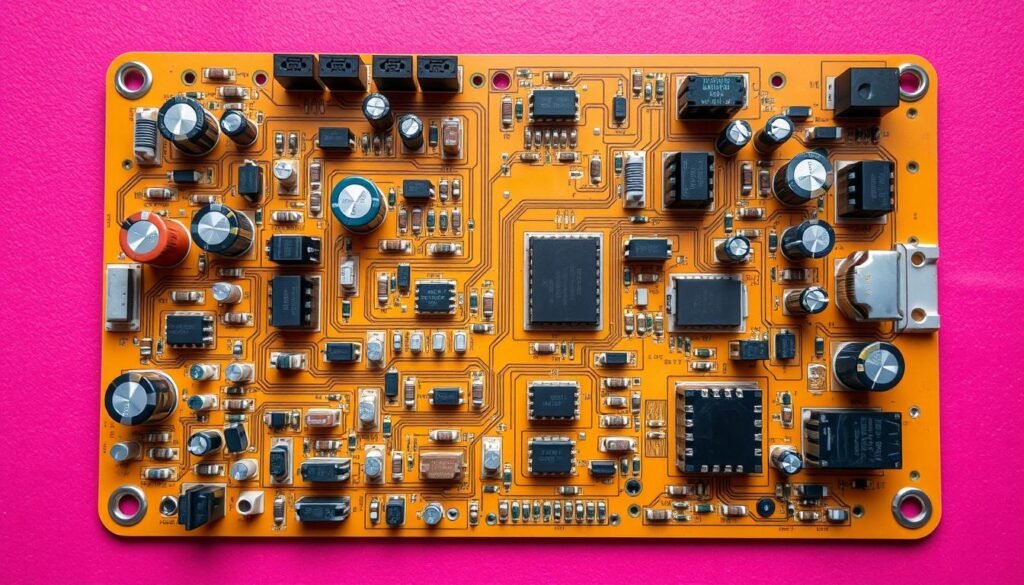
In the world of PCBA manufacturing, sourcing components and materials at the right price is essential for maintaining profitability. The cost of materials and components can vary significantly across different regions, impacting the overall cost-effectiveness of production.
Regional Differences in Raw Material Pricing
Raw material pricing for PCBA manufacturing differs across China, the USA, and Europe due to factors such as local supply chains, labor costs, and regulatory environments. For instance, the cost of a 4-layer PCB can range from $10 per unit for small orders to $2 per unit for large orders of 1,000 units or more. This significant reduction in cost highlights the importance of economies of scale in PCBA manufacturing.
Component Availability and Supply Chain Resilience
Component availability and supply chain resilience are critical factors in PCBA manufacturing. Regions with well-established electronics manufacturing ecosystems, such as China, often have an advantage in terms of component availability and supply chain reliability. This can lead to reduced lead times and lower costs associated with inventory management.
Economies of Scale in Different Markets
Economies of scale play a crucial role in PCBA manufacturing, with larger production volumes typically resulting in lower costs per unit. China’s massive electronics manufacturing ecosystem creates significant economies of scale advantages, particularly for high-volume consumer electronics. In contrast, manufacturers in the USA and Europe may face higher costs due to smaller production volumes and higher labor costs.
The impact of economies of scale on PCBA manufacturing costs cannot be overstated. By understanding how production volume affects costs, manufacturers can make informed decisions about their production strategies. For example, a startup prototyping 10 PCBs may pay $100 total ($10/unit), while a manufacturer ordering 1,000 units may pay $2,000 ($2/unit).
By examining the differences in material costs and component sourcing across regions, manufacturers can optimize their production strategies to achieve the best possible balance between cost, quality, and reliability.
Quality Standards and Defect Rates
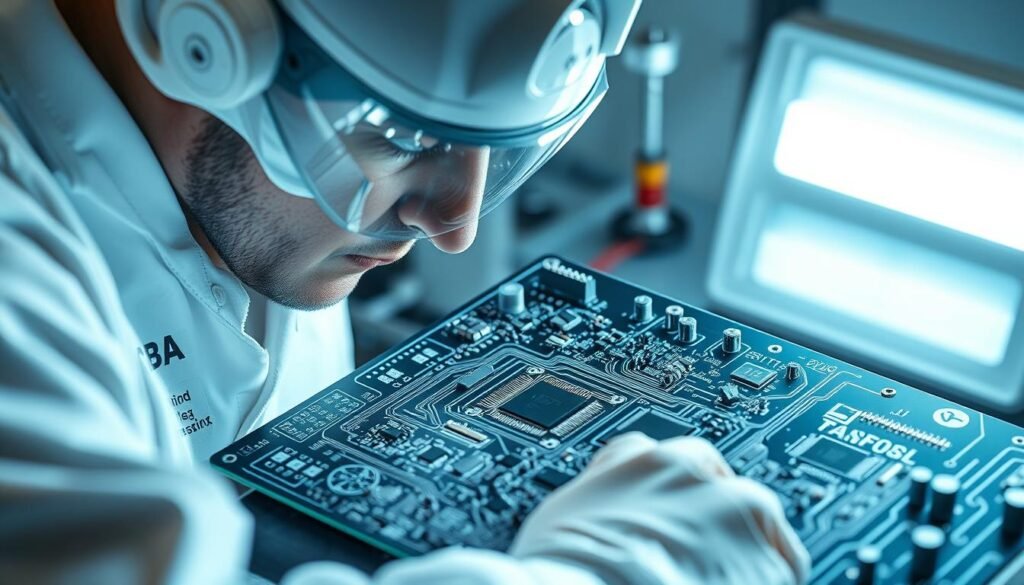
As we examine the global PCBA manufacturing landscape, quality standards and defect rates emerge as crucial differentiators. The quality of PCBA manufacturing is influenced by various factors, including the region where the production takes place.
Quality Control Processes by Region
Quality control processes vary significantly across different regions. In China, for instance, many manufacturers have adopted advanced quality control measures, including automated optical inspection (AOI) and X-ray inspection. In contrast, some regions may still rely on manual inspection methods, which can be more prone to human error. Effective quality control is essential for minimizing defect rates and ensuring high-quality PCBAs.
Typical Defect Rates and Reliability Metrics
Defect rates and reliability metrics are key indicators of PCBA quality. Typical defect rates can range from a few hundred parts per million (ppm) to several thousand ppm, depending on the complexity of the board and the manufacturing process. “Reliability is not just about meeting specifications; it’s about ensuring the product performs consistently over its lifespan,” as industry experts often emphasize. We analyze these metrics to understand how different manufacturing locations impact product reliability.
Long-term Product Reliability Considerations
Long-term product reliability is critical for many applications, particularly in industries such as aerospace, automotive, and medical devices. The choice of manufacturing location can impact long-term reliability due to differences in component sourcing, manufacturing processes, and environmental factors. For example, accelerated life testing results can vary significantly for identical designs manufactured in China, the USA, and Europe, providing insights into expected product longevity differences.
Our analysis reveals that regional differences in environmental stress screening practices and component selection can significantly impact long-term product reliability. By understanding these factors, manufacturers can make informed decisions about their PCBA production and ensure the highest quality products.
Lead Times and Production Flexibility
When it comes to PCBA manufacturing, lead times and production flexibility are crucial factors that can significantly impact a company’s ability to respond to market demands. In this section, we will delve into the differences in lead times and production flexibility across China, the USA, and Europe.
Average Production Timelines by Region
Average production timelines vary significantly across regions. For instance, China typically offers faster turnaround times due to its well-established manufacturing infrastructure and streamlined processes, with average lead times ranging from 5 to 7 business days for local orders. In contrast, the USA and Europe may have longer lead times, often between 10 to 14 business days, depending on the complexity of the PCB design and the manufacturer’s production capacity. We must consider these differences when planning production schedules.
Responsiveness to Design Changes and Revisions
The ability to accommodate design changes and revisions is critical in the PCBA manufacturing process. Manufacturers in China are often more agile in responding to last-minute changes due to their flexible production systems and close collaboration with clients. In contrast, manufacturers in the USA and Europe may have more rigid production schedules, making it more challenging to implement changes quickly. We will examine how different regions handle such changes and their impact on production timelines.
Scaling Capabilities for Varying Production Volumes
Scaling production volumes efficiently is essential for meeting changing market demands. We will compare how PCBA manufacturers in different regions handle production scaling, from prototypes to high-volume production. Our analysis will cover minimum order quantity (MOQ) requirements, capacity flexibility, and equipment utilization strategies. For example, some manufacturers may offer more flexible MOQs, while others may excel in high-volume production efficiency. Understanding these differences is key to optimizing production strategies.
By examining these aspects, businesses can make informed decisions about their PCBA manufacturing needs, balancing factors such as lead times, production flexibility, and cost-effectiveness to achieve their strategic objectives.
Intellectual Property Protection and Security
As companies expand their PCBA manufacturing operations globally, the need for robust intellectual property protection becomes increasingly important. The risks associated with IP infringement vary significantly across different regions, making it crucial for businesses to understand these differences when selecting a manufacturing location.
Regional IP Risk Assessment
We assess IP risks across China, the USA, and Europe, examining the legal frameworks for intellectual property protection in each region. Our analysis reveals that while all three regions have established IP laws, there are significant differences in their scope and enforcement. For instance, China’s IP laws have undergone significant reforms in recent years, enhancing protection for foreign companies.
| Region | IP Protection Strength | Enforcement Effectiveness |
|---|---|---|
| China | Improving | Moderate |
| USA | Strong | High |
| Europe | Strong | High |
Protective Measures and Legal Frameworks
To mitigate IP risks, companies can implement various protective measures, including technical safeguards, contractual protections, and operational security practices. Our analysis explores these measures in detail, providing insights into how component partitioning, black box design approaches, and firmware security measures can be deployed differently based on regional manufacturing risks.
By understanding the IP landscape and implementing appropriate protective measures, companies can minimize the risks associated with PCBA manufacturing in different regions. The costs associated with these protective measures should be factored into total cost calculations to ensure a comprehensive understanding of the manufacturing costs.
Logistics, Shipping, and Customs Considerations
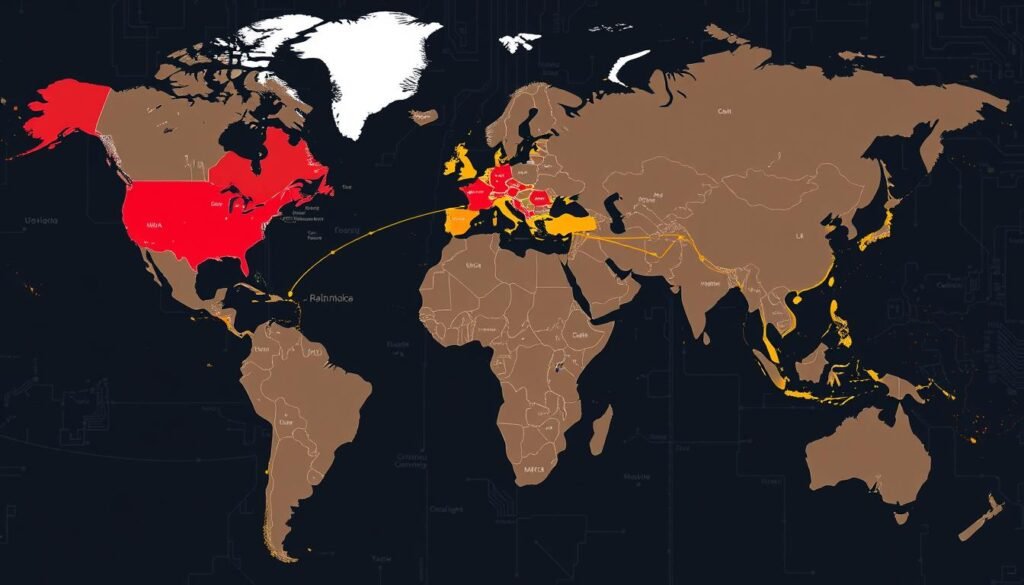
The intricacies of international PCBA shipping require a comprehensive understanding of transportation costs, customs regulations, and supply chain resilience. As we delve into the logistics of PCBA manufacturing, it’s essential to consider the various factors that impact the overall cost and efficiency of the supply chain.
Transportation Costs and Delivery Timeframes
Transportation costs for PCB assemblies vary significantly depending on the region, shipping method, and urgency of the delivery. Air freight, while faster, is generally more expensive than ocean freight. We analyze these costs to determine the most cost-effective shipping strategies for different production volumes and customer requirements.
Customs Duties, Tariffs, and Import Regulations
Customs duties, tariffs, and import regulations can substantially impact the total cost of PCBA imports. The imposition of tariffs on electronics components, for instance, can drive up costs, as seen in recent trade policies. Understanding these regulations and their implications is crucial for effective cost management and supply chain optimization.
Supply Chain Resilience and Risk Mitigation
To mitigate risks in the supply chain, manufacturers employ various strategies, including multi-sourcing, buffer inventory policies, and geographical diversification. We examine how these approaches differ in cost and effectiveness across regions, providing insights into best practices for enhancing supply chain resilience in PCBA manufacturing.
Environmental Impact and Sustainability
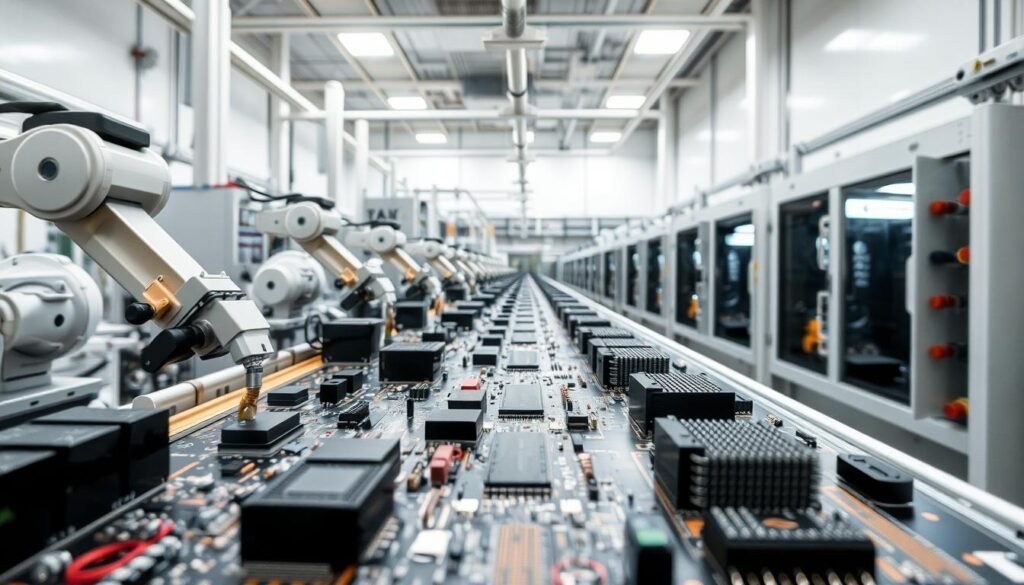
With growing concerns about climate change and ecological footprint, understanding the environmental sustainability of PCBA manufacturing is crucial for manufacturers and consumers alike. As we delve into the specifics of PCBA production, it becomes clear that regional differences play a significant role in determining both the environmental impact and the associated costs.
Carbon Footprint of PCBA Manufacturing by Region
The carbon footprint of PCBA manufacturing varies significantly across China, the USA, and Europe, primarily due to differences in energy sources, production processes, and supply chain efficiencies. For instance, a study on the ecological footprint of chip production highlights the importance of energy consumption and material usage in determining the overall environmental impact ecological footprint study
Regulatory Compliance with Environmental Standards
Environmental regulations affecting PCBA manufacturing differ substantially across regions. Compliance with standards such as RoHS, REACH, and local chemical control regulations not only impacts production processes but also influences costs. Certifications like UL and IPC-A-600, along with additional testing for reliability, add to the expenses due to specialized processes and documentation. We examine how these regulatory differences and compliance requirements affect PCBA production costs and processes.
Case Studies: Real-World Cost Comparisons
We examine three distinct PCBA manufacturing scenarios to demonstrate how regional factors influence production costs. These case studies provide valuable insights into the complexities of cost analysis for PCB assembly across different global regions.
Low-Volume, High-Complexity PCBA Project
A low-volume, high-complexity PCBA project revealed significant cost variations across regions. For instance, a prototype requiring advanced quality control and UL certification cost $300 per design in the USA, compared to $180 in China. The higher cost in the USA was primarily due to the need for specialized labor and stricter regulatory compliance.
Key factors influencing cost included:
- Component sourcing strategies
- Regulatory compliance requirements
- Labor costs for specialized skills
High-Volume Consumer Electronics Production
In contrast, high-volume consumer electronics production showed different cost dynamics. Manufacturing in China resulted in a cost per unit that was 30% lower than in Europe, primarily due to economies of scale and optimized supply chain efficiencies.
The main cost drivers in this scenario were:
- Raw material costs
- Production line efficiency
- Logistics and shipping expenses
Medical Device PCBA Manufacturing Requirements
For medical device PCBA manufacturing, regulatory requirements significantly impacted costs. A Class II medical device PCBA manufactured in the USA incurred higher costs due to stringent FDA regulations and the need for comprehensive documentation and validation protocols.
Key cost factors included:
- Compliance with FDA and MDR regulations
- Quality system compliance and auditing
- Material traceability and change control processes
These case studies demonstrate that while China often offers competitive advantages in terms of cost, the USA and Europe provide higher levels of quality assurance and regulatory compliance, which can be critical for certain applications.
Strategic Decision-Making Framework for PCBA Manufacturing
The landscape of PCBA manufacturing is rapidly evolving, necessitating a comprehensive framework to guide strategic decisions that balance cost, quality, and regulatory compliance. As companies navigate the complexities of global manufacturing, understanding the nuances of different regions becomes crucial.
When to Choose China for PCBA Manufacturing
China remains a dominant force in PCBA manufacturing due to its vast production capacity, competitive labor costs, and extensive supply chain network. Companies should consider China for high-volume production where cost efficiency is paramount. However, it’s essential to carefully evaluate factors such as regulatory compliance and intellectual property protection.
When to Choose USA for PCBA Manufacturing
The USA is an attractive option for PCBA manufacturing when proximity to the North American market is critical, or when projects require advanced technology and high precision. The region offers robust intellectual property protection and compliance with stringent regulatory standards, making it ideal for industries such as aerospace and defense.
When to Choose Europe for PCBA Manufacturing
Europe is the preferred choice for PCBA manufacturing when high-quality standards, advanced automation, and specialized engineering expertise are required. Industries such as automotive electronics and industrial controls benefit from Europe’s strong manufacturing clusters and rigorous regulatory environments, ensuring premium product quality and reliability.
| Region | Key Strengths | Ideal Applications |
|---|---|---|
| China | High-volume capacity, cost efficiency, extensive supply chain | Consumer electronics, high-volume production |
| USA | Advanced technology, robust IP protection, proximity to North American market | Aerospace, defense, high-tech industries |
| Europe | High-quality standards, advanced automation, specialized expertise | Automotive electronics, industrial controls, premium consumer products |
Conclusion: Optimizing Your PCBA Manufacturing Strategy in 2025
Our in-depth examination of PCBA manufacturing costs across China, the USA, and Europe reveals a nuanced picture that challenges simplistic regional comparisons. As we synthesize the key insights from our comprehensive PCBA cost analysis, it becomes clear that optimizing manufacturing decisions in 2025’s complex global landscape requires a multifaceted approach.
When evaluating PCBA manufacturing options, it’s crucial to look beyond the unit price and consider the total cost of ownership. This includes factors such as quality implications, supply chain resilience, time-to-market considerations, and intellectual property protection. For instance, a manufacturer might offer a competitive price for PCB assembly, but if their quality control processes are inadequate, it could lead to higher costs in the long run due to rework or product failures.
To make informed decisions, businesses should adopt a structured decision-making process for PCBA manufacturing location selection. This involves asking key questions about production capabilities, assessing data points on lead times and flexibility, and applying evaluation criteria to compare regional options effectively. Whether you’re a startup launching a new product or an established manufacturer optimizing your global production footprint, understanding these factors is crucial.
As we look to the future, emerging trends such as increased automation, reshoring initiatives, sustainability requirements, and geopolitical shifts are likely to reshape the PCBA manufacturing cost equation. By staying informed about these developments and adapting your strategy accordingly, you can position your business for success in the evolving electronics manufacturing landscape.
FAQ
What are the primary factors influencing PCBA manufacturing costs?
How do labor costs vary across different regions?
What role does supply chain efficiency play in PCBA manufacturing costs?
How do economies of scale impact PCBA manufacturing costs?
What are the typical defect rates and reliability metrics for PCBA manufacturing?
How do lead times and production flexibility affect PCBA manufacturing?
What are the key considerations for intellectual property protection in PCBA manufacturing?
How do environmental regulations impact PCBA manufacturing costs?
What are the benefits of choosing a region with a well-established electronics manufacturing ecosystem?
About The Author
