
Are factory audits merely a compliance checkbox, or do they hold a more significant value for businesses operating in today’s complex global supply chains? As manufacturers and suppliers navigate the intricacies of quality control and regulatory adherence, factory audits emerge as a critical tool for ensuring product quality, operational efficiency, and stakeholder trust.
In an era where consumers and regulators demand greater transparency and ethical practices, the role of factory audits has become increasingly pivotal. These systematic evaluations provide businesses with crucial insights into supplier capabilities, enabling them to mitigate risks, enhance supply chain transparency, and foster a culture of compliance.
As we delve into the world of factory audits, it becomes clear that their value extends far beyond mere compliance checking. By examining the fundamental purpose and benefits of these audits, we can unlock their true potential in driving business excellence and ensuring quality manufacturing practices.
Key Takeaways
- Factory audits play a crucial role in ensuring quality standards and regulatory compliance.
- These audits serve as risk mitigation tools, identifying potential issues before they become costly problems.
- Factory audits enhance supply chain transparency and trust among stakeholders.
- The value of factory audits extends beyond compliance checking, driving business excellence.
- Properly conducted audits provide critical insights into supplier capabilities and processes.
Understanding Factory Audits and Their Importance
Factory audits serve as a cornerstone for businesses seeking to ensure their suppliers adhere to stringent quality, safety, and efficiency standards. By conducting thorough evaluations of manufacturing facilities, companies can identify potential risks and verify compliance with regulatory requirements.
What Is a Factory Audit?
A factory audit is a systematic inspection and evaluation of a manufacturing facility to assess its compliance with predefined standards for quality, safety, and operational efficiency. This process involves a comprehensive examination of the factory’s quality management system, production processes, and compliance measures to ensure they meet the expectations of businesses, customers, and regulatory bodies.
The core components of a comprehensive factory audit include:
- Examination of quality management systems to ensure they are robust and effective.
- Evaluation of production processes to identify areas for improvement.
- Assessment of compliance measures to verify adherence to regulatory requirements.
Why Factory Audits Are Critical for Business Success
Factory audits are critical business tools that protect against product recalls, supply chain disruptions, and regulatory penalties. By providing objective verification that suppliers can consistently meet quality requirements and deliver products that match specifications, factory audits establish a foundation for continuous improvement.
“The significance of factory audits lies in their ability to identify potential risks in supplier operations before they impact your business.”
Through factory audits, businesses can ensure their suppliers adhere to high standards of quality, safety, and efficiency, ultimately contributing to the overall success of the business.
The Real Value of a Factory Audit: What We Can Learn
In today’s complex global supply chain, factory audits have become an essential component of ensuring compliance, quality, and transparency. As we delve into the world of factory audits, it becomes clear that these evaluations offer far more than just a checkbox exercise in compliance. They provide a comprehensive view of a supplier’s operations, highlighting areas of excellence and opportunities for improvement.
Transparency and Risk Mitigation
Factory audits create unprecedented transparency into supplier operations, revealing the reality behind manufacturing claims and capabilities. By conducting thorough audits, businesses can identify potential risks and mitigate them before they escalate into costly problems. This proactive approach to risk management is crucial in today’s fast-paced business environment, where a single misstep can have far-reaching consequences. As one industry expert notes, “Transparency is key to building trust in the supply chain.”
Quality Assurance and Process Improvement
Effective factory audits not only verify compliance but also drive quality assurance and process improvement. By examining quality control processes, testing procedures, and production standards, audits help suppliers identify areas for enhancement. This, in turn, leads to improved manufacturing performance, reduced waste, and increased efficiency. As a result, businesses can enjoy higher quality products, reduced costs, and enhanced customer satisfaction. “Quality is not just about meeting standards; it’s about continuous improvement,” emphasizes a leading manufacturing expert.
Compliance Verification and Brand Protection
Compliance verification is a critical aspect of factory audits, ensuring that suppliers adhere to labor laws, safety regulations, and environmental guidelines. By verifying compliance, businesses can protect their brand from association with unethical practices, labor violations, or environmental negligence. In the event of regulatory inquiries or customer complaints, factory audits provide valuable documentation and evidence, safeguarding the company’s reputation and interests. As a business leader aptly puts it, “Compliance is not just about avoiding risks; it’s about building a sustainable future.”
Key Types of Factory Audits
Understanding the different types of factory audits is essential for businesses looking to ensure compliance and quality. Factory audits can take several forms, depending on their objectives and focus areas. We will explore the key types of factory audits that help businesses evaluate their suppliers and manufacturers effectively.
Quality System Audits
Quality System Audits focus on evaluating a factory’s adherence to quality management standards like ISO 9001. These audits assess documentation, production workflows, and testing methods to ensure that the manufacturer’s quality management system is robust and effective. By examining these aspects, businesses can verify that their suppliers maintain high-quality standards.
- Evaluate documentation and record-keeping practices
- Assess production workflows and process controls
- Examine testing methods and quality control measures
Social Compliance Audits
Social Compliance Audits are designed to assess whether factories comply with labor laws, ethical practices, and social responsibility standards. These audits evaluate labor practices, working conditions, and ethical standards to ensure that suppliers meet international labor requirements and protect worker rights.
- Assess labor practices and working conditions
- Evaluate compliance with labor laws and regulations
- Examine ethical standards and social responsibility
Environmental Audits
Environmental Audits evaluate a factory’s environmental impact by examining waste management systems, emissions controls, and sustainability initiatives. These audits help businesses ensure that their suppliers adhere to environmental standards and regulations, reducing their ecological footprint.
- Examine waste management practices and policies
- Assess emissions controls and sustainability initiatives
- Evaluate compliance with environmental regulations
Structural Safety Audits
Structural Safety Audits inspect the workplace safety and infrastructure of a factory, including building integrity, fire safety systems, and emergency protocols. These audits are crucial for preventing workplace accidents and ensuring worker safety.
- Inspect building integrity and structural safety
- Evaluate fire safety systems and emergency preparedness
- Assess compliance with safety regulations and standards
By understanding and utilizing these different types of factory audits, businesses can comprehensively assess their suppliers and manufacturers, ensuring compliance, quality, and safety. Each audit type serves specific purposes in a supplier evaluation strategy and can be combined for a thorough assessment.
When to Conduct Factory Audits

Strategic timing of factory audits is key to verifying supplier capabilities, ensuring compliance, and maintaining product quality. Factory audits should be conducted at critical junctures to maximize their effectiveness and minimize operational risks.
Before Onboarding New Suppliers
Conducting a factory audit before onboarding a new supplier is essential for assessing their capabilities, identifying potential risks, and establishing baseline performance expectations. This initial audit helps ensure that the supplier meets the required standards and is capable of delivering high-quality products. As emphasized by industry experts, “A thorough audit before onboarding can prevent costly issues down the line.” Verifying a supplier’s quality management system, production processes, and compliance with regulatory requirements is crucial for a successful partnership.
During Ongoing Partnerships
Regular factory audits during ongoing partnerships are vital for monitoring supplier performance, ensuring continued compliance, and driving continuous improvement. Scheduled audits help identify areas for improvement and verify that suppliers maintain the required standards. By conducting audits at regular intervals, businesses can mitigate risks and ensure that their suppliers continue to meet their quality and compliance obligations. This proactive approach helps prevent quality issues and compliance violations.
When Quality Issues Arise
When quality issues arise, factory audits serve as diagnostic tools to identify root causes and implement effective corrective actions. These audits help businesses understand the source of the problem and work with their suppliers to rectify it. Prompt action can prevent further quality issues and minimize the impact on production and customer satisfaction. As part of a risk management strategy, audits conducted in response to quality issues are essential for maintaining product quality and supplier accountability.
The Factory Audit Process: A Step-by-Step Guide
To ensure a successful factory audit, it’s essential to understand the step-by-step process involved. We guide you through the critical stages of a factory audit, from preparation to follow-up, to help you achieve your quality and compliance goals.
Pre-Audit Preparation
Effective pre-audit preparation is crucial for a successful factory audit. This stage involves defining the audit scope, selecting qualified auditors, and preparing comprehensive checklists. We also communicate expectations to suppliers, ensuring they are aware of the audit requirements and objectives. By doing so, we can ensure a smooth and efficient audit process.
- Defining the audit scope and objectives
- Selecting qualified auditors with relevant expertise
- Preparing detailed checklists and audit plans
On-Site Audit Execution
The on-site audit execution is the core stage of the factory audit process. Our experienced auditors conduct thorough inspections, including facility tours, document reviews, employee interviews, and process observations. This comprehensive approach enables us to identify potential risks and areas for improvement. For more information on the factory audit process, visit https://www.china-quality-inspection.com/factory-audit-process/.
- Conducting facility tours and inspecting equipment
- Reviewing documents and records for compliance
- Interviewing employees to assess training and awareness
Post-Audit Actions and Follow-Up
After completing the on-site audit, we generate a detailed report summarizing our findings and recommending corrective actions. We work collaboratively with suppliers to develop effective corrective action plans and establish follow-up procedures to verify implementation. This ensures that identified issues are addressed, and the factory is brought into compliance.
- Generating a comprehensive audit report
- Developing corrective action plans with clear responsibilities and timelines
- Establishing follow-up procedures to verify implementation
Overcoming Common Challenges in Factory Audits
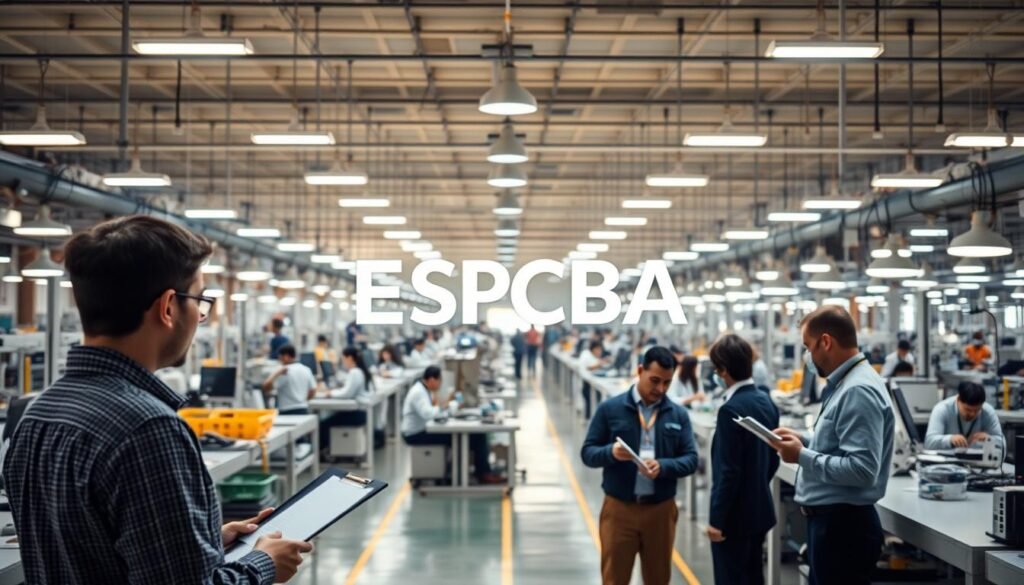
Factory audits, while invaluable, often face practical challenges that can hinder their effectiveness. These challenges can range from lack of transparency to cultural and language barriers, and time and resource constraints.
Transparency Issues and Cultural Barriers
One of the significant challenges in factory audits is the lack of transparency. Some suppliers may withhold information or falsify records, compromising the integrity of the audit. Cultural and language barriers can also lead to miscommunication between auditors and factory staff, affecting the audit process. For instance, differences in cultural norms can influence how information is shared and received. Effective communication is key to overcoming these barriers.
Effective Solutions for Successful Audits
To overcome these challenges, several solutions can be employed. Using third-party auditors can help ensure objectivity and transparency. Additionally, training auditors to work effectively in diverse cultural environments can mitigate cultural barriers. Implementing real-time reporting tools can also streamline the audit process, making it more efficient and less resource-intensive. By framing audits as collaborative improvement opportunities rather than punitive inspections, we can gain supplier buy-in and foster a more cooperative environment.
Some practical strategies include conducting unannounced audits, performing worker interviews, and verifying documentation through multiple sources to enhance audit transparency. Proper auditor training, local representation, and culturally sensitive communication approaches can also help overcome cultural barriers.
How Factory Audits Strengthen Supply Chain Resilience
Strengthening supply chain resilience is a key benefit of implementing factory audits. By identifying vulnerabilities and ensuring reliable performance from suppliers, factory audits play a strategic role in maintaining a robust supply chain. Regular audits help maintain uniform quality and compliance across all suppliers, minimizing variability and reducing the risk of disruptions.
Identifying Vulnerabilities Before They Become Problems
Factory audits function as early warning systems that identify supply chain vulnerabilities before they escalate into disruptions or quality failures. Through systematic auditing, businesses can uncover operational inefficiencies, safety risks, or quality issues that could disrupt production. As emphasized by industry experts, “A proactive approach to supplier management through regular audits can significantly mitigate risks.” By addressing these issues proactively, companies can avoid unexpected delays, recalls, or shutdowns.
Building Long-Term Supplier Relationships
Regular factory audits foster stronger supplier relationships built on mutual understanding, clear expectations, and collaborative improvement efforts. By promoting transparency and accountability, audits help create a more resilient supply chain. As a result, businesses can make more informed sourcing decisions and better manage risks throughout their supply chain. According to a recent study, companies that conduct regular factory audits experience improved supplier performance and reduced compliance risks.
Conclusion: Implementing an Effective Factory Audit Strategy
Implementing an effective factory audit strategy is crucial for businesses seeking to maintain high standards in their supply chain. To achieve this, we recommend scheduling periodic audits based on supplier risk levels, production cycles, and industry standards. Establishing key performance indicators (KPIs) helps evaluate supplier performance consistently over time.
By building relationships with reliable auditors, businesses can ensure impartial and accurate evaluations. Making audits a regular part of supply chain management enables companies to proactively address risks, maintain supplier accountability, and achieve operational excellence.
By integrating these practices, businesses can strengthen their supply chain and protect their brand reputation. Effective factory audit implementation is an investment in quality, compliance, and risk management, ultimately driving long-term success.
FAQ
What is the primary purpose of conducting a factory audit?
How often should factory audits be conducted?
What are the different types of factory audits?
What is the role of quality management systems in factory audits?
How do factory audits contribute to supply chain resilience?
What are the benefits of conducting regular factory audits?
How can businesses ensure the effectiveness of their factory audit process?
What are some common challenges faced during factory audits?
About The Author
