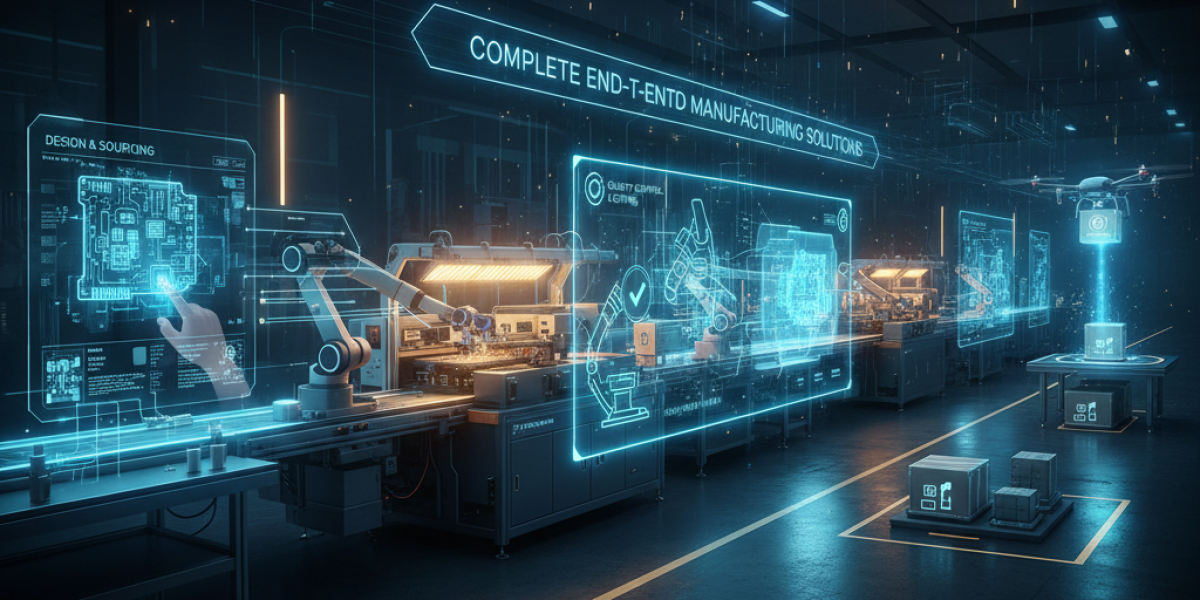
Turnkey PCB assembly represents the modern solution for electronics manufacturers seeking simplified, cost-effective production without managing multiple vendors. Instead of coordinating separate fabrication, assembly, and procurement vendors, turnkey PCB assembly consolidates all manufacturing activities under single expert provider. This comprehensive approach eliminates coordination headaches, reduces costs dramatically, and ensures consistent quality throughout production. ESPCBA’s integrated turnkey solutions transform complex manufacturing into streamlined, reliable processes accelerating time-to-market and maximizing profitability.
Table of Contents
Understanding Turnkey PCB Assembly
Turnkey PCB assembly encompasses complete electronics manufacturing from design optimization through final product delivery. Single manufacturers handle all processes—PCB fabrication, component sourcing, assembly, testing, quality assurance, and packaging. This integrated approach eliminates traditional manufacturing fragmentation enabling streamlined operations and superior quality control.
Traditional manufacturing approaches require managing separate relationships with PCB fabricators, component distributors, assembly houses, and testing providers. Coordination challenges, quality inconsistencies, and procurement delays plague multi-vendor approaches. Turnkey solutions eliminate these problems through comprehensive integration under expert manufacturers like ESPCBA.
Modern electronics development demands rapid iteration, consistent quality, and cost competitiveness. Turnkey manufacturers combine advanced equipment, experienced teams, and proven processes delivering manufacturing excellence. Whether developing consumer electronics, automotive systems, or medical devices, turnkey solutions accelerate success enabling product launches meeting market demands.
Turnkey vs Traditional Manufacturing Approaches
Understanding distinctions between turnkey and traditional manufacturing reveals compelling advantages justifying turnkey adoption.
Multi-Vendor Coordination Complexity
Traditional approaches require managing multiple vendor relationships, each with different quality standards, communication protocols, and timelines. Coordinating fabrication schedules with assembly house readiness creates logistical challenges. Component procurement must align with fabrication completion preventing inventory buildup. Quality issues in one vendor impact entire production. Managing these complex interdependencies consumes significant management time and resources.
Integrated Turnkey Efficiency
Turnkey manufacturing eliminates multi-vendor coordination through complete integration. Single manufacturers maintain internal control ensuring seamless transitions between fabrication and assembly. Internal component sourcing aligns with production schedules. Quality issues surface through integrated testing. Single point accountability ensures responsive problem-solving and continuous improvement.
Cost Comparison Analysis
Traditional multi-vendor approaches incur hidden costs through coordination overhead, inventory holding, expedited shipping between facilities, and quality rework. Turnkey solutions typically reduce total costs 15-30% through elimination of these inefficiencies. Component volume consolidation enables better pricing. Reduced lead time inventory minimizes carrying costs. Quality improvements reduce expensive rework.
The Complete Turnkey PCB Assembly Process
Successful turnkey manufacturing follows proven processes transforming designs into finished products through systematic, quality-driven procedures.
Phase 1: Design Review and DFM Analysis
Turnkey processes begin with thorough design evaluation. Engineers review schematics, PCB layouts, Gerber files, and BOMs identifying potential manufacturing issues. Design for Manufacturability (DFM) analysis identifies trace width violations, spacing problems, component placement conflicts, and thermal management concerns. Early identification prevents expensive late-stage design modifications. Design optimization improves manufacturability reducing production costs.
Phase 2: Component Procurement
Integrated suppliers leverage established relationships with component manufacturers and distributors securing favorable pricing and availability. Quality verification procedures ensure component authenticity. Procurement schedules align with production timelines preventing delays. Excess component management minimizes inventory waste. Strategic sourcing reduces material costs significantly.
Phase 3: PCB Fabrication
In-house fabrication capabilities ensure quality control throughout manufacturing. Layer stackup optimization, controlled impedance, and advanced drilling techniques deliver reliable boards. IPC-6012 compliance ensures quality standards. Quick-turnaround capabilities compress manufacturing timelines. Tight process control ensures consistency across production runs.
Phase 4: Precision Assembly
Advanced pick-and-place equipment positions components with micron accuracy. Solder paste printing, reflow soldering, and wave soldering create reliable connections. Automated optical inspection (AOI) detects placement errors and solder defects. Through-hole insertion and hand assembly address specialized components. Complete assembly automation enables rapid production.
Phase 5: Comprehensive Testing
In-circuit testing (ICT) verifies component values and connectivity. Functional testing exercises circuit operation validating performance. Flying probe testing provides continuity verification. X-ray inspection reveals solder quality beneath components. Environmental stress testing predicts long-term reliability.
Phase 6: Final Packaging and Delivery
Finished boards undergo final inspection verifying cosmetic quality and functionality. ESD-safe packaging protects components during shipment. Custom labeling and documentation meet customer requirements. Expedited shipping options ensure timely delivery. Complete traceability documentation supports quality accountability.
Cost Reduction and Efficiency Advantages
Turnkey manufacturing delivers substantial cost savings through operational efficiency and volume consolidation.
Material Cost Optimization
Component volume consolidation enables aggressive pricing negotiations with suppliers. Direct relationships eliminate distributor markups. Bulk purchasing achieves substantial quantity discounts. Strategic material planning minimizes waste reducing material costs 10-20%.
Overhead Elimination
Consolidated manufacturing eliminates transportation costs between separate facilities. Single facility coordination reduces overhead. Reduced inventory holding minimizes carrying costs. Streamlined logistics reduce administrative expenses significantly.
Quality Improvement Economics
Integrated quality systems reduce defects preventing expensive rework. Early issue identification prevents costly late-stage fixes. Continuous improvement initiatives optimize processes reducing scrap and rework costs. Superior quality reduces warranty expenses and field failures.
Integrated Quality Control Systems
Turnkey manufacturers implement comprehensive quality protocols ensuring consistent excellence throughout production.
Incoming Component Verification
All components undergo incoming inspection verifying specifications and authenticity. Counterfeit detection prevents inferior parts reaching production. Electrical testing validates functionality. Complete traceability enables rapid response if issues emerge.
Process Monitoring and Control
Statistical process control (SPC) monitors manufacturing parameters maintaining consistency. Real-time feedback enables process adjustments preventing defects. Equipment calibration ensures measurement accuracy. Trained technicians maintain quality discipline throughout production.
Final Product Validation
100% functional testing validates every unit operation. Environmental stress testing predicts reliability. Comprehensive documentation provides quality evidence. Customer acceptance criteria ensure satisfaction.
Timeline Acceleration and Speed-to-Market
Turnkey solutions dramatically compress manufacturing timelines enabling rapid market entry.
Elimination of Transfer Delays
Traditional multi-vendor approaches lose time between fabrication and assembly. Turnkey manufacturing eliminates these transfer delays. Continuous flow from fabrication through final inspection accelerates production. Quick-turnaround scheduling compresses overall timelines.
Design Iteration Speed
Design modifications trigger rapid re-fabrication and assembly through integrated facilities. Turnaround times compress from weeks to days. Multiple iterations feasible within traditional development schedules. Rapid validation accelerates convergence toward production designs.
Scaled Production Ramp-Up
Proven prototype designs transition smoothly to production. No vendor qualification delays. Established processes scale efficiently. Production volumes ramp rapidly meeting market demands. Rapid scaling enables competitive market timing.
Design Consultation and Optimization Services
Turnkey manufacturers provide design support optimizing performance and manufacturability.
Design for Manufacturability (DFM)
Expert engineers identify manufacturing challenges during design phases. Component placement optimization improves assembly efficiency. Trace routing refinement enhances signal integrity. Thermal management optimization ensures reliable operation. Early optimization prevents expensive late-stage design changes.
Signal Integrity and Power Analysis
Simulation tools predict circuit performance before hardware construction. Impedance analysis ensures signal quality. Power distribution optimization reduces noise. Thermal simulation guides cooling requirements. Comprehensive analysis prevents field failures.
Component Selection and Alternative Strategies
Design engineers recommend optimal component selections balancing performance and cost. Alternative components identified enabling flexibility during shortages. Procurement strategies developed minimizing lead times. Strategic selection reduces material costs significantly.
ESPCBA’s Comprehensive Turnkey Capabilities
ESPCBA delivers complete turnkey PCB assembly solutions serving industries from consumer electronics to aerospace applications.
State-of-the-art facilities combine advanced fabrication equipment, precision assembly systems, and comprehensive testing infrastructure. Experienced engineering teams provide design consultation and optimization. Quality certifications including ISO 9001 and IPC standards ensure excellence. Flexible capacity accommodates prototypes through high-volume production.
From initial design consultation through production scaling, ESPCBA’s team partners ensuring manufacturing success. Request turnkey quotes discovering how integrated solutions accelerate your product development.
Conclusion
Turnkey PCB assembly represents modern manufacturing excellence combining convenience, cost efficiency, and quality assurance. Elimination of multi-vendor coordination, cost reduction through integration, and timeline acceleration justify turnkey adoption for competitive electronics development. ESPCBA’s comprehensive turnkey capabilities deliver manufacturing solutions supporting product success across industries. Whether launching innovative products or optimizing production, turnkey partnerships prove essential for modern electronics manufacturing excellence.
Discover ESPCBA’s Turnkey PCB Assembly Solutions
Complete manufacturing from design through delivery—simplifying your electronics production.
Expert engineering, advanced equipment, proven processes—turnkey excellence.
