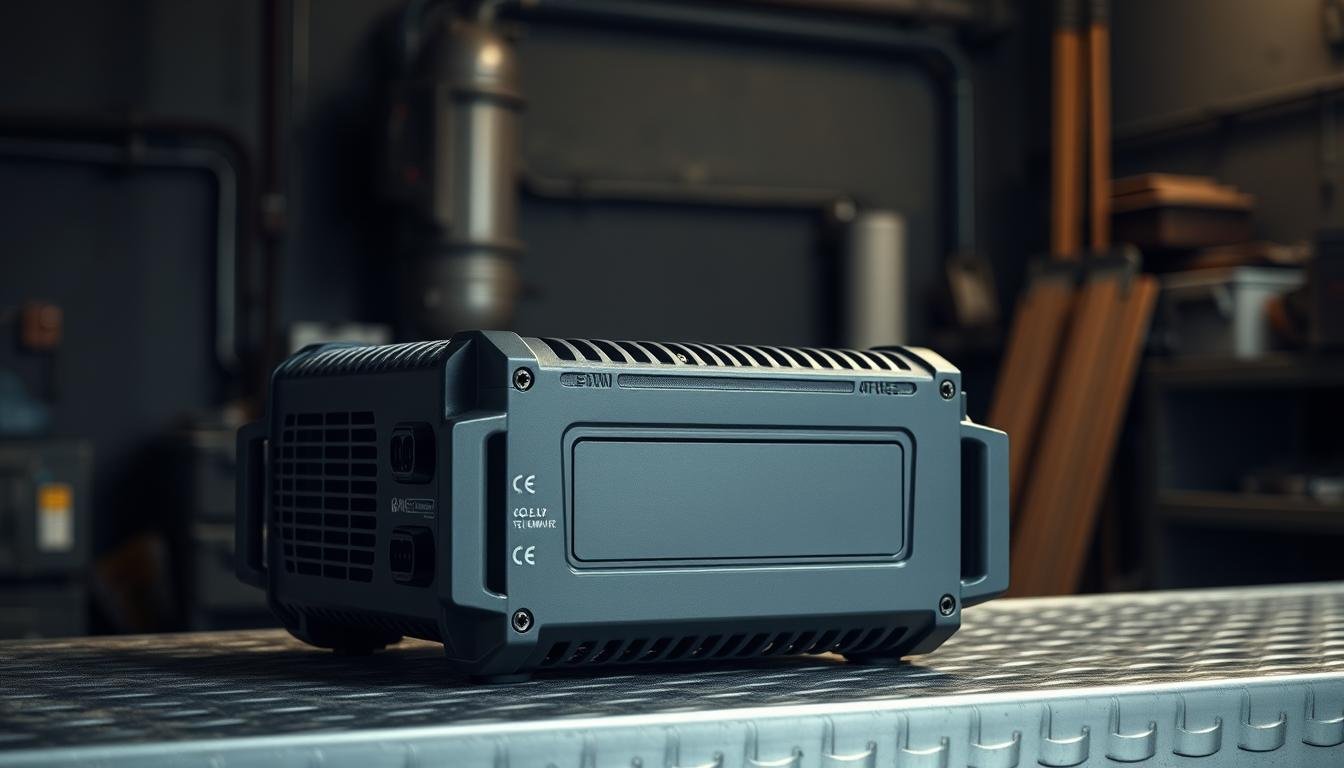
When mission-critical data drives your operations, can you afford electronics that crack under pressure? Standard enclosures might work for office environments, but construction sites, mining operations, and cross-country transportation routes demand far more resilience. We design solutions that redefine durability for modern box build assembly needs.
Industrial environments expose electronics to extreme vibration, temperature swings, and moisture. While generic systems falter, our purpose-engineered hardware maintains tracking accuracy and connectivity. Through advanced materials science, we achieve IP68/IP69K protection – surviving submersion, high-pressure washes, and relentless mechanical stress.
Success hinges on merging robust physical designs with intelligent power management. Our approach ensures seamless integration between environmental shielding and real-time vehicle diagnostics. This dual focus prevents data gaps during critical moments, whether monitoring heavy equipment or long-haul trucks.
Key Takeaways
- Industrial-grade protection (IP68/IP69K) ensures operation in extreme conditions
- Advanced vibration dampening maintains component integrity
- Custom thermal management prevents overheating failures
- EMI shielding protects sensitive telemetry data
- Collaborative design process aligns with specific fleet needs
Introduction to Commercial Fleet Telematics and Ruggedized Box Builds
Today’s industrial operations demand more than basic location monitoring. The shift from simple GPS devices to intelligent asset management platforms has redefined how companies handle vehicles, tools, and heavy machinery. These systems now analyze engine performance, driver patterns, and maintenance needs while streaming critical data to decision-makers.
Overview of the Evolving Telematics Landscape
Ten years ago, tracking meant periodic location updates. Now, platforms like Tenna combine real-time GPS with Bluetooth sensors and QR code scanning. This evolution enables construction firms to monitor fuel usage, equipment health, and operator efficiency through unified dashboards.
Modern solutions integrate directly with ERP systems and project management tools. This connectivity turns raw data into actionable insights – reducing downtime and optimizing maintenance schedules across entire fleet operations.
Why Ruggedized Systems Outperform Standard Hardware
Consumer-grade electronics fail when faced with vibration from bulldozers or temperature extremes in mining trucks. Our specialized enclosures maintain tracking accuracy through:
- Military-grade shock absorption
- Wide operating temperature ranges (-40°F to 185°F)
- Complete protection against dust and high-pressure washdowns
These features ensure continuous data flow from vehicles and equipment, even in punishing environments. The result? Fewer breakdowns, lower repair costs, and maximized asset utilization.
Overview: Building Ruggedized Box Builds for Commercial Fleet Telematics
How do industrial operations maintain uninterrupted data flow when consumer electronics crumble? The answer lies in purpose-built systems combining military-grade protection with intelligent tracking capabilities. Our engineered solutions address this critical need through strategic component integration and environmental hardening.
Core Components Driving Reliability
At the heart of our systems lie precision GPS receivers and multi-band cellular modems. These work alongside CAN bus interfaces to capture vehicle diagnostics while Bluetooth transceivers monitor auxiliary equipment. All components reside in vibration-dampened enclosures meeting IP68/69K standards – surviving 1000+ hours of salt spray testing.
The construction sector faces unique hurdles: 63% of contractors report telematics failures within 12 months using off-the-shelf devices. Legacy system integration remains a top pain point, with many fleets operating mixed-age assets. Our modular approach solves this through:
| Challenge | Standard Hardware | Our Solution |
|---|---|---|
| Data Consistency | Frequent signal drops | Dual-modem redundancy |
| Environmental Stress | 6-month lifespan average | 5-year durability guarantee |
| System Integration | Limited API support | Pre-built ERP connectors |
Emerging opportunities include AI-driven predictive maintenance, which requires flawless data streams our hardware enables. As platforms evolve, ruggedized telematics become the foundation for smarter fleet management – transforming raw information into operational gold.
Innovative Technologies and Advanced Features

Modern operations require smarter tools that anticipate challenges before they disrupt workflows. Our engineering team pushes beyond conventional telematics capabilities through three breakthrough innovations that redefine reliability and insight generation.
Real-Time Location Intelligence & System Health Monitoring
We combine multi-constellation GPS receivers with inertial measurement units to achieve 1.5-meter accuracy in urban environments. This fusion technology maintains precise tracking when traditional systems lose satellite lock, crucial for:
- Pinpointing equipment in dense construction sites
- Capturing sudden route deviations during hauls
- Validating driver-reported location data
Our quick-turn assembly processes enable rapid deployment of self-diagnosing hardware. Built-in sensors continuously monitor:
- Power fluctuations (+/- 5% tolerance alerts)
- Communication module status (4G/WiFi signal strength)
- Environmental thresholds (temperature/humidity limits)
Unified Data Ecosystems for Operational Clarity
We transform raw telemetry into actionable intelligence through:
| Data Source | Integration Method | Business Impact |
|---|---|---|
| Engine diagnostics | J1939/OBD-II decoders | Predict maintenance 14% earlier |
| Driver behavior | IMU motion analysis | Reduce fuel waste by 9% |
| Asset locations | GIS mapping APIs | Cut retrieval time by 23% |
This architecture ensures fleet management teams receive synchronized updates across all platforms – from ERP systems to mobile dispatching apps. By eliminating data silos, we enable smarter decisions that cascade from the C-suite to field operators.
Robust Design for Harsh Environments

Industrial operations need electronics that outlast their toughest challenges. Standard devices crumble under relentless vibration, chemical exposure, and temperature extremes. We design solutions that thrive where others fail – from muddy construction sites to salt-sprayed coastal routes.
Rugged Construction Standards and IP Ratings
Our enclosures meet military-grade specifications, combining IP68/IP69K ratings with impact-resistant materials. Tenna’s BLE Beacon SP2 exemplifies this approach – surviving direct hits from heavy equipment while maintaining flawless data transmission. Key protections include:
| Environmental Threat | IP68 Defense | IP69K Advantage |
|---|---|---|
| Dust Storms | Complete particle exclusion | N/A |
| Water Immersion | 1m depth for 30 minutes | High-pressure steam cleaning |
| Chemical Exposure | Basic splash resistance | Aggressive detergent proofing |
“Our accelerated aging tests simulate a decade of field use in six months,” notes our lead validation engineer. “Components undergo 1,000+ hours of salt spray exposure before approval.”
Field-Tested Durability for Extreme Conditions
We validate designs through real-world simulations matching specific industries:
- Construction vehicles: 5G vibration profiles mimicking bulldozer operation
- Mining equipment: Thermal cycling from -40°C to +85°C
- Transport fleets: 200psi pressure washing tests
Marine-grade aluminum alloys and corrosion-resistant coatings prevent degradation in humid environments. These material choices, combined with multi-layer EMI shielding, ensure consistent performance beside welding arcs and high-voltage machinery.
Integration with Fleet Management Systems and Software
True operational intelligence emerges when hardware durability meets software sophistication. Our solutions bridge the gap between rugged field performance and boardroom analytics through strategic system integration.
Seamless Connectivity with Enterprise Platforms
We engineer integration capabilities directly into hardware designs. This enables:
- Instant synchronization with ERP systems like SAP and Oracle
- Automated updates across Procore and Viewpoint project tools
- Bidirectional data flow between maintenance platforms and field assets
Our API framework supports 50+ enterprise applications out-of-the-box. Managers access live fuel consumption stats alongside maintenance alerts – all within familiar software interfaces.
Transforming Raw Metrics into Operational Wisdom
Advanced analytics convert data streams into performance benchmarks. Driver Scorecards reveal:
| Metric | Improvement Potential |
|---|---|
| Harsh braking incidents | 19% safety increase |
| Optimal RPM maintenance | 7% fuel savings |
| Idle time reduction | $4,800 annual savings per vehicle |
These insights flow directly into coaching workflows. Maintenance teams receive automated work orders when sensors detect abnormal vibration patterns – often weeks before mechanical failures occur.
Telematics Device Setup and Installation Best Practices
Proper installation transforms rugged hardware from potential liability to operational asset. We simplify deployment through engineered solutions that combine technical precision with hands-on guidance.
Optimized Implementation Protocols
Our installation guidelines address critical factors like vibration-resistant mounting and weatherproof cable routing. The Geotab GO9 exemplifies this approach – its OBD-II plug design eliminates complex wiring while maintaining tracking accuracy. For specialized vehicles, we provide custom harnesses and J1939 adapters that integrate seamlessly with existing systems.
Expert-Led Deployment Assurance
Tenna’s certified technicians handle onsite installations, ensuring proper configuration for mixed fleets. This includes validating J1939 data collection protocols and testing environmental seals under operational conditions. Post-deployment, we verify:
- Signal integrity across communication modules
- Power stability during engine cycling
- Diagnostic data alignment with fleet software
Training programs empower teams to manage updates and troubleshoot minor issues independently. Combined with U.S.-based technical support, this approach minimizes downtime while maximizing system lifespan.
FAQ
How do ruggedized telematics devices improve fleet maintenance costs?
Can telematics systems integrate with existing fleet management software?
What safety features do modern telematics devices provide?
How durable are these systems for off-road equipment monitoring?
What training is provided for telematics device installation?
How does real-time tracking enhance fleet compliance?
About The Author
