
Can a simple miscommunication derail your entire manufacturing project? We’ve seen it happen. Years ago, during one of our first overseas manufacturing projects, a last-minute order for a paperboard package ended in disaster due to a lack of clear communication with the factory. The factory substituted the paperboard with a flimsy plastic card, resulting in a shipment of over 5,000 units with items falling off the pegs they hung from.
Effective communication is crucial in avoiding such costly mistakes. As global supply chains become increasingly complex, the need for clear and transparent communication with overseas PCBA factories has never been more critical. We’ll explore proven strategies to overcome the unique challenges of working with international manufacturing partners, ensuring that your product is manufactured to your specifications, on time, and within budget.
Key Takeaways
- Proven communication strategies to overcome challenges in overseas PCBA manufacturing
- Tips for establishing clear communication channels that bridge language barriers and cultural differences
- Practical ways to document requirements and set expectations with manufacturing partners
- The importance of visual communication techniques in transcending language limitations
- Building long-term relationships with overseas PCBA partners through consistent and transparent communication practices
Understanding the Communication Challenges with Overseas PCBA Factories
Effective communication is crucial when working with overseas PCBA factories, but it’s often fraught with challenges. We frequently overestimate the clarity of our communication, particularly when working across different languages and cultures. This misjudgment can lead to a myriad of issues that impact production schedules and product quality.
Common Miscommunication Issues in International Manufacturing
International manufacturing partnerships face unique communication challenges. Language barriers are a fundamental issue when working with overseas PCBA suppliers, where technical terminology can be easily misinterpreted. Cultural differences in business practices, such as approaches to hierarchy and problem-solving, often lead to misaligned expectations. The physical distance between teams eliminates the possibility of quick, in-person touch points, and time zone differences create delays in communication.
The Impact of Language and Cultural Barriers
Different cultural approaches to feedback can be problematic; in some areas, suppliers may be reluctant to deliver bad news or admit when they don’t understand needs. Technical specifications that seem clear to Western engineers may be interpreted differently by overseas manufacturing teams due to different industry standards and practices. The fact that many overseas factories work with multiple international clients means they must constantly switch between different communication styles and expectations, complicating the manufacturing process.
Understanding these challenges is an essential part of developing effective strategies to overcome them and establish productive working relationships with overseas manufacturing partners in the same place. By acknowledging these potential pitfalls, we can take steps to mitigate risks and ensure successful collaborations.
The Business Case for Effective Communication Strategies for Working with Overseas PCBA Factories

Effective communication is crucial for successful partnerships with overseas PCBA factories, directly impacting business outcomes. We have seen firsthand how clear and consistent communication can make or break a manufacturing project.
Cost Implications of Poor Communication
Poor communication with overseas PCBA factories can have significant cost implications. Research has shown that miscommunication can lead to substantial financial losses due to rework, delays, and quality issues. For instance, a single miscommunicated specification can result in an entire production run being scrapped, leading to costly rework.
- The cost of rework due to miscommunication can be substantial, affecting the bottom line.
- Companies that invest in effective communication strategies experience significantly reduced manufacturing errors.
| Cost Factor | Impact of Poor Communication | Benefit of Effective Communication |
|---|---|---|
| Rework Costs | Substantial financial losses | Reduced rework costs |
| Manufacturing Errors | Increased errors | Fewer quality issues |
How Effective Communication Improves Quality and Reduces Delays
Effective communication is key to improving quality and reducing delays in PCBA manufacturing. By ensuring that all parties understand expectations, timelines, and technical requirements from the outset, companies can significantly reduce time-to-market and improve manufacturing efficiency.
- Clear communication protocols improve manufacturing efficiency.
- Effective communication reduces time-to-market by eliminating unnecessary back-and-forth exchanges.
By prioritizing effective communication, businesses can reap significant benefits, including improved product quality, reduced delays, and better resource allocation. As companies continue to navigate the complexities of overseas PCBA manufacturing, the importance of robust communication strategies cannot be overstated.
Documenting Specifications and Requirements
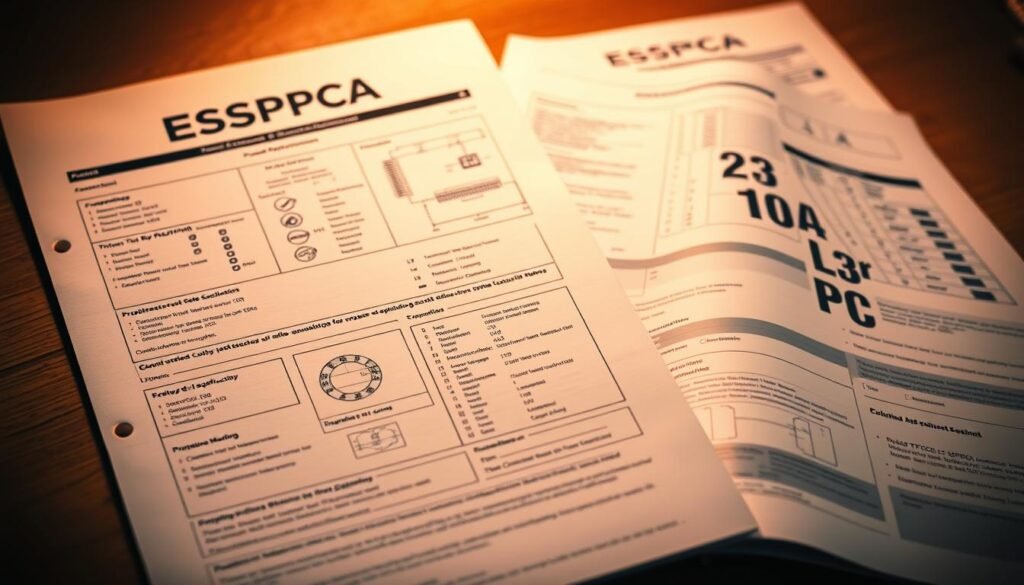
Clear and detailed documentation of product requirements is the foundation of successful collaboration with overseas PCBA factories. When working with international manufacturers, the risk of miscommunication can be high due to language barriers and cultural differences. However, by maintaining comprehensive and accessible documentation, companies can significantly reduce these risks and ensure that their products are manufactured according to their specifications.
Creating Comprehensive Technical Documentation
Comprehensive technical documentation is crucial for effective communication with overseas PCBA factories. This involves capturing not just the basic product specifications but also tolerance ranges, testing parameters, and specific manufacturing instructions. By doing so, companies can provide a single source of truth for all stakeholders involved in the production process. Detailed documentation helps in avoiding misunderstandings and ensures that the final product meets the required standards.
Maintaining a Centralized Information Repository
A centralized information repository is essential for keeping all stakeholders on the same page. This repository should contain all relevant product requirements, including materials lists, design files, and assembly instructions. By having a single place where all information is stored, companies can eliminate the confusion that arises from scattered specifications across multiple communication channels.
Critical Specifications That Cannot Be Overlooked
Certain specifications are critical and cannot be overlooked. These include component placement specifications, soldering requirements, and testing parameters. Changes to these specifications must be formally documented and acknowledged by the manufacturing partner to ensure they are properly implemented. The type of documentation format used also matters, with industry-standard formats improving comprehension and reducing misinterpretation.
By focusing on thorough documentation and maintaining a centralized repository, companies can improve their collaboration with overseas PCBA factories. This approach not only enhances the quality of the final product but also streamlines the production process, reducing delays and costs associated with miscommunication.
Establishing Clear Quality Expectations
Defining clear quality expectations is a critical step in ensuring that overseas PCBA manufacturers produce products that meet the required quality standards. When collaborating with international manufacturers, it’s essential to establish a common understanding of what constitutes acceptable quality.
Defining Acceptable Quality Levels (AQL)
Acceptable Quality Levels (AQL) provide an objective framework for quality assessment, allowing both parties to understand exactly what constitutes acceptable versus defective work. AQL standards typically categorize defects into critical, major, and minor levels, with different tolerance thresholds for each category based on the product’s application and industry requirements.
- Critical defects: Those that render the product unusable or pose a significant risk.
- Major defects: Those that affect the product’s performance but do not render it unusable.
- Minor defects: Those that are cosmetic or do not affect the product’s performance.
Developing Effective QC Checklists
Developing comprehensive QC checklists ensures that all quality-critical aspects of the PCBA are systematically verified during inspection processes. Effective quality control procedures must address both visual inspection parameters and functional testing requirements to ensure complete product integrity.
Setting Up Testing Requirements and Procedures
Setting up standardized testing requirements and procedures ensures that all PCBAs undergo the same rigorous verification process regardless of production batch or inspector. This helps in maintaining consistent quality across different production runs.
By establishing clear quality expectations, companies can ensure that their overseas PCBA manufacturing partners deliver products that meet their standards and requirements, ultimately leading to fewer disputes and more consistent product quality.
Visual Communication Techniques
Using visual tools can improve collaboration with PCBA manufacturers worldwide. In the context of working with overseas factories, visual communication serves as a powerful strategy to overcome language barriers and ensure that product requirements are clearly understood.
Using Images and Videos to Overcome Language Barriers
Images and videos are invaluable in communicating complex product specifications to overseas manufacturers. By using detailed visuals, companies can eliminate confusion and ensure that manufacturing teams understand exactly what is expected. Annotated photographs of previous products or prototypes provide clear reference points that transcend language limitations.
Creating Simple Prototypes to Demonstrate Requirements
Creating simple prototypes, even using basic materials like clay or cardboard, can dramatically improve communication by providing tangible examples of design intent and functional requirements. This approach allows manufacturers to visualize the product and its components more effectively.
Tools for Visual Documentation and Feedback
Digital tools such as annotated screenshots, screen recordings, and collaborative visual platforms create a shared visual language between teams separated by geography and culture. These tools enable real-time feedback and ensure that all stakeholders are on the same page throughout the manufacturing process.
By implementing robust visual communication strategies, companies can significantly reduce manufacturing errors and misunderstandings. Developing a visual communication plan that systematically addresses each critical aspect of the product design and manufacturing process ensures comprehensive coverage. Practical tips for effective visual communication include using numbered callouts, color-coding for emphasis, and ensuring images are high-resolution and well-lit.
Managing the Sampling and Prototyping Process
Effective management of the sampling and prototyping process is crucial for successful collaboration with overseas PCBA manufacturing partners. This process provides a tangible means of verifying understanding and ensuring that the final product meets the required specifications and quality standards.
Different Types of Samples and Their Purposes
During new product development, there are three fundamental kinds of samples: Works Like, Looks Like, and Works Like & Looks Like. Understanding the different types of samples, including engineering samples, pre-production samples, and golden samples, helps manage expectations and align production schedules appropriately. Each type serves a specific purpose, from validating basic functionality to confirming final production quality and appearance.
Providing Clear Feedback on Samples
Providing clear, specific feedback on samples requires a structured approach. This involves identifying both positive aspects to maintain and issues that need addressing. Effective sample evaluation requires testing against predetermined criteria that align with the product’s intended use and quality standards. By doing so, we can refine our understanding of requirements over time and ensure that the final product meets our needs.
Using the Iterative Process to Improve Communication
The iterative sampling process creates multiple touch points for communication, allowing both parties to refine their understanding of requirements. As Elon Musk notes, “Design is overrated, and manufacturing is underrated… It is quickly developing and learning from prototypes and manufacturing that makes good designs a reality.” By embracing this iterative process, we can improve communication, reduce time-to-market, and ensure that the final product meets our quality and functionality expectations.
Conclusion: Building Long-Term Communication Success with Overseas PCBA Partners
In the realm of international PCBA manufacturing, effective communication serves as the linchpin for productive partnerships. As we’ve discussed throughout this article, maintaining good communication is crucial, albeit challenging. However, the effort invested in communicating clearly is far less than the work required to rectify misunderstandings and overcome unnecessary setbacks.
Building long-term communication success with overseas PCBA partners requires the consistent application of the strategies outlined in this article. By doing so, companies can create a foundation of mutual understanding and trust. Effective communication strategies evolve as relationships mature, with successful partnerships developing shorthand and streamlined processes that improve efficiency without sacrificing clarity.
- Companies that invest in developing robust communication frameworks report stronger supplier relationships that withstand the challenges of global manufacturing over time.
- The industry continues to globalize, making communication skills an increasingly valuable competitive advantage for companies working with international partners.
- Long-term success requires maintaining communication standards even when production is running smoothly, as complacency often leads to unexpected quality issues or misunderstandings.
As manufacturing technology and requirements evolve, communication systems must adapt to address new challenges while maintaining the fundamental principles of clarity and specificity. The highest level of communication success is achieved when both parties view themselves as collaborative partners working toward shared goals rather than as separate entities with competing interests.
By implementing the communication tips and techniques discussed, companies can transform challenging supplier relationships into productive partnerships that deliver consistent quality and on-time production. We believe that with consistent effort and a commitment to clear communication, companies can achieve long-term success in their overseas PCBA manufacturing partnerships.
FAQ
What are the most common miscommunication issues when working with overseas PCBA factories?
How can I ensure that my PCBA supplier understands my quality expectations?
What is the importance of documenting specifications and requirements when working with overseas PCBA factories?
How can visual communication techniques improve collaboration with overseas PCBA factories?
What are the different types of samples used in the PCBA manufacturing process?
How can I provide clear feedback on samples to my PCBA supplier?
What are the cost implications of poor communication with overseas PCBA factories?
How can I manage changes to product specifications or requirements during the manufacturing process?
About The Author
